
Spaces between teeth, often referred to as diastemas, are a common dental concern for patients of all ages. These gaps can form for a variety of reasons, including genetics, differences in tooth size, missing teeth, or habits such as thumb sucking during childhood. While some individuals embrace these spaces as part of their unique smile, others seek solutions to achieve a more uniform appearance.
Orthodontic treatment focuses on correcting alignment and spacing by gradually guiding teeth into their ideal positions. At Davis Family Orthodontics, patients in Lawrenceville, Morrow, Stone Mountain, and Loganville frequently explore whether gaps can be closed without relying on cosmetic procedures like veneers. In many cases, orthodontics alone can effectively address spacing issues while also improving overall bite function and oral health.
How Orthodontics Works to Close Gaps Naturally
Orthodontic treatment uses controlled, gentle pressure to move teeth over time. This process allows gaps to close as neighboring teeth shift into better alignment. Braces and clear aligners are both designed to achieve this outcome, though the approach may vary depending on the patient’s needs.
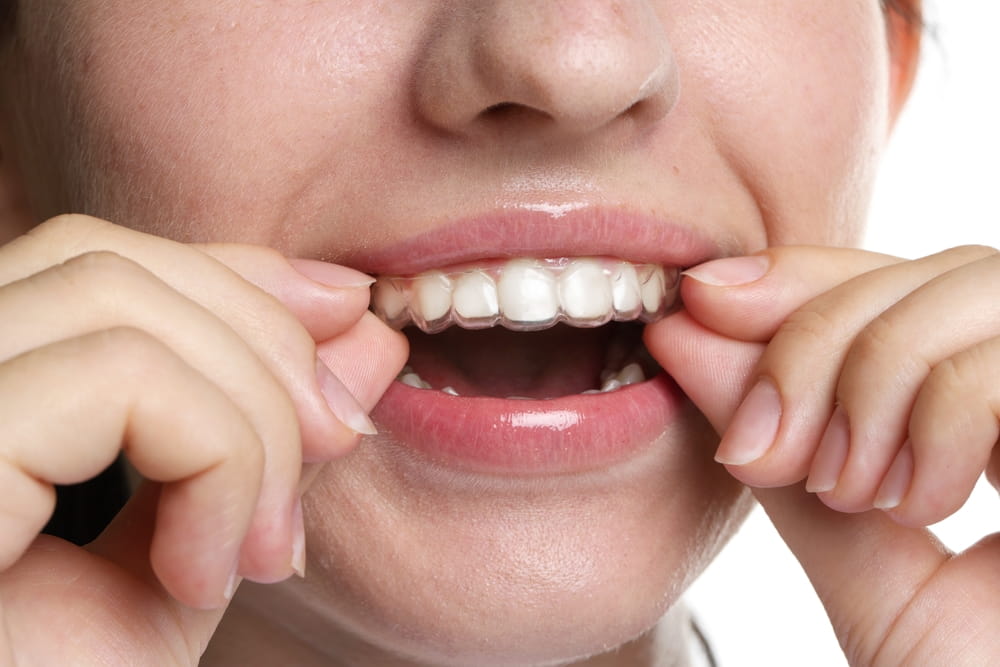
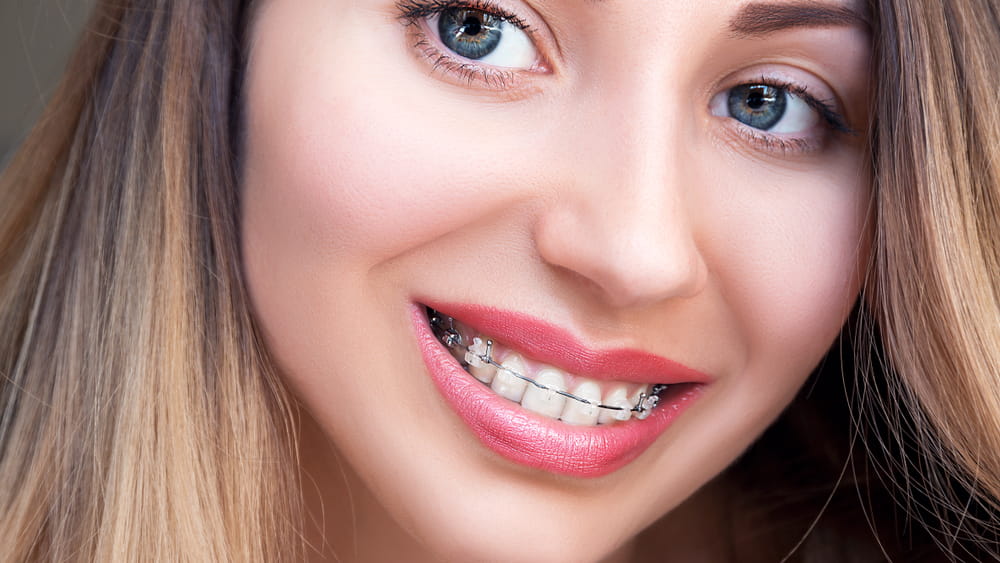
Traditional braces, including various Types Of Braces, use brackets and wires to guide teeth into position with precision. Clear aligners, such as Invisalign Treatment, offer a more discreet option by using a series of custom-made trays that gradually move teeth. Both methods can be highly effective in closing gaps, especially when spacing is caused by alignment issues rather than structural concerns.
When Orthodontics May Be Enough on Its Own
In many cases, orthodontics can fully close gaps without the need for veneers or other cosmetic treatments. This is particularly true when the gaps are caused by misalignment or spacing issues rather than differences in tooth size or shape. By repositioning the teeth, orthodontic treatment can create a more balanced and natural-looking smile.
Patients of all ages can benefit from this approach. Children in Orthodontics For Children may experience early correction that prevents gaps from worsening, while teens in Orthodontics For Teens often see significant improvements during active growth phases. Adults in Orthodontics For Adults can also achieve gap closure, even if the spaces have been present for years. The key factor is proper diagnosis and a personalized treatment plan.
Situations Where Additional Cosmetic Treatment May Be Considered
While orthodontics is highly effective for closing gaps, there are situations where additional cosmetic procedures may be recommended to achieve optimal results. For example, if teeth are unusually small or have irregular shapes, closing the gap alone may not create the desired aesthetic balance. In these cases, veneers or bonding may be used after orthodontic treatment to refine the final appearance.
It is important to understand that orthodontics addresses the position of the teeth, while veneers focus on altering their shape and size. Combining these approaches can sometimes provide the most comprehensive outcome. However, many patients prefer to start with orthodontics, as it preserves the natural tooth structure and improves both function and appearance.
Benefits of Choosing Orthodontics Over Veneers Alone
One of the main advantages of orthodontic treatment is that it addresses the underlying cause of spacing issues rather than simply masking them. By moving the teeth into proper alignment, orthodontics improves bite function, reduces uneven wear, and supports long-term oral health.
Veneers, on the other hand, are primarily cosmetic and may require alteration of the natural tooth surface. While they can be an effective solution for certain cases, they do not correct alignment or bite concerns. Orthodontics offers a more comprehensive approach, making it a preferred option for patients who want both aesthetic and functional improvements.
Daily Habits That Support Successful Gap Closure
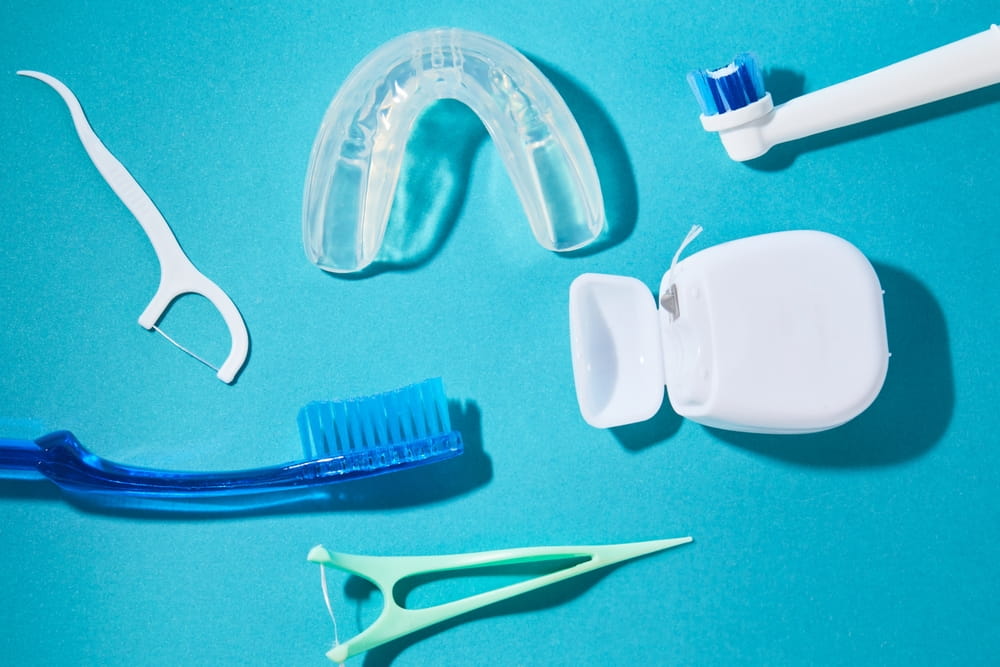
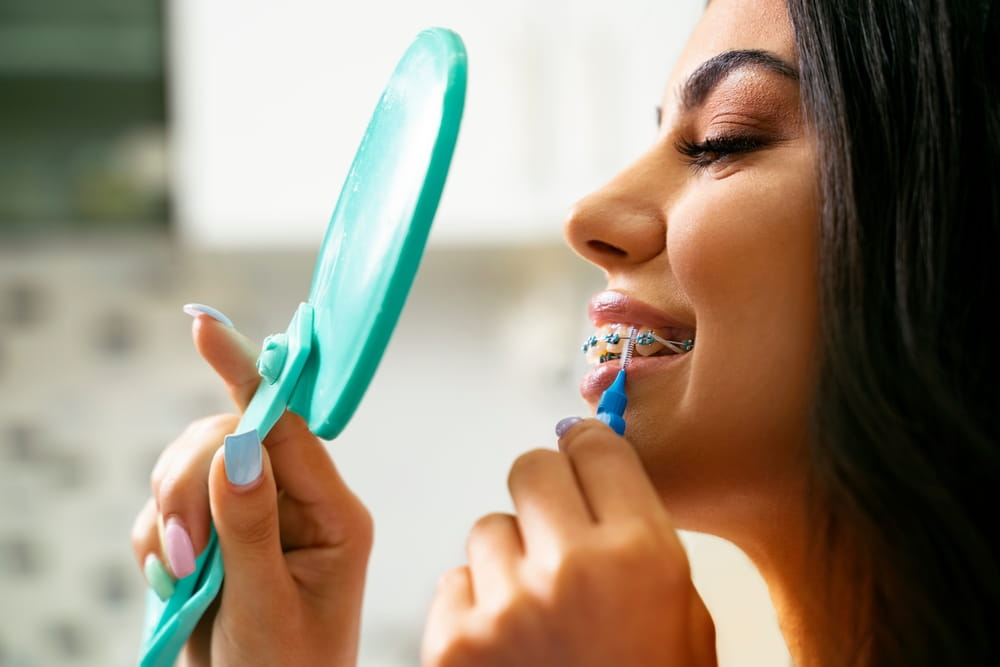
Achieving successful results with orthodontics requires commitment to daily habits and consistent care. Patients should follow all instructions carefully, including wearing aligners for the recommended number of hours or maintaining proper care of braces. Good oral hygiene is essential to prevent complications that could slow down progress.
- Brush and floss thoroughly every day
- Wear aligners or elastics as instructed
- Avoid foods that can damage braces
- Attend all scheduled appointments
- Keep orthodontic appliances clean
These habits help ensure that teeth move efficiently and that the final results meet expectations.
A Natural Path to a More Confident Smile
For many patients, orthodontics provides a natural and effective way to close gaps without the need for veneers. By focusing on alignment and function, this approach enhances both the appearance and health of the smile. While every case is unique, modern orthodontic options make it possible to achieve noticeable improvements with a personalized treatment plan.
At Davis Family Orthodontics, patients in Lawrenceville, Morrow, Stone Mountain, and Loganville are encouraged to explore their options and understand how orthodontic treatment can address spacing concerns. With the right approach and consistent care, closing gaps naturally can lead to a balanced, confident smile that lasts for years to come.
Resources
Proffit, W. R., Fields, H. W., & Sarver, D. M. (2018). Contemporary Orthodontics. Elsevier.
Kokich, V. G. (2006). Esthetics: The Orthodontic-Periodontic Restorative Connection. Seminars in Orthodontics.
American Association of Orthodontists. (2021). Orthodontic Treatment for Spacing Issues. AAO.