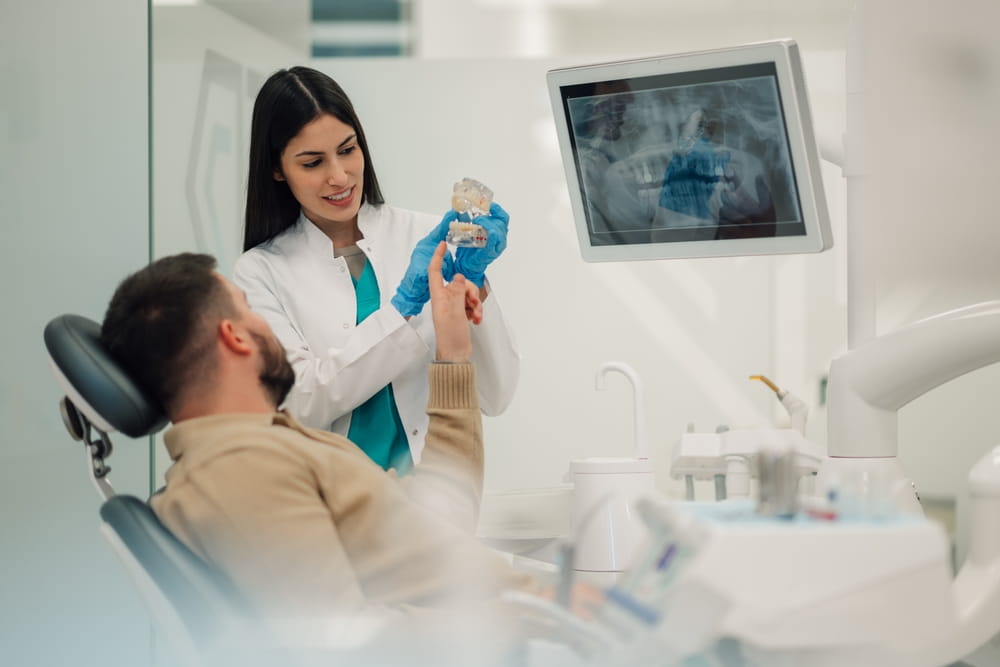


At Davis Family Orthodontics, serving Lawrenceville, Morrow, Stone Mountain, and Loganville, GA, we often discuss the role of patient behavior in achieving successful orthodontic outcomes. While braces, aligners, and other orthodontic appliances are powerful tools, their effectiveness relies heavily on consistent patient compliance and cooperation. Orthodontic treatment is a partnership between the patient and the orthodontic team, and success depends on active engagement throughout the process. Without proper adherence to instructions, even the most advanced treatments can face delays or suboptimal results.
Compliance refers to following the orthodontist’s recommendations, such as wearing elastics, aligners, or retainers as prescribed. Cooperation encompasses a broader sense of participation, including attending appointments, maintaining oral hygiene, and reporting issues promptly. Together, these behaviors allow the orthodontic treatment to progress as planned, reducing the risk of complications, extended treatment times, or the need for corrective procedures. Educating patients on why these actions matter fosters a sense of responsibility and empowers them to take an active role in their oral health journey.
Understanding the importance of compliance and cooperation also helps patients recognize that orthodontic treatment is not solely about aesthetics but about function, long-term oral health, and bite alignment. By maintaining consistency, patients can achieve results that are not only visually pleasing but structurally sound, reducing the likelihood of relapse after treatment.
The Role of Consistent Appliance Use
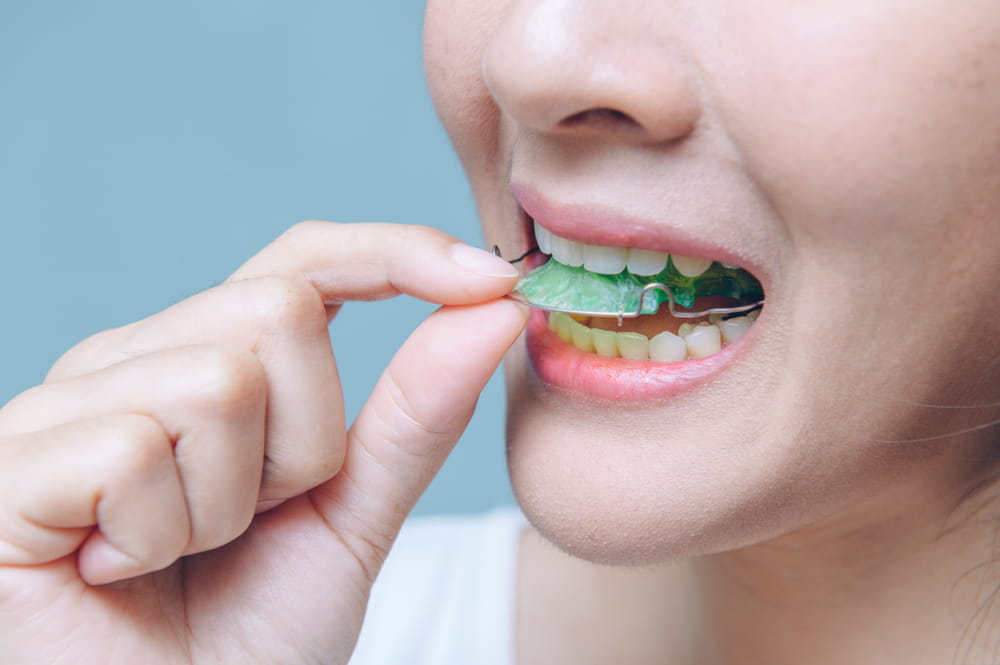
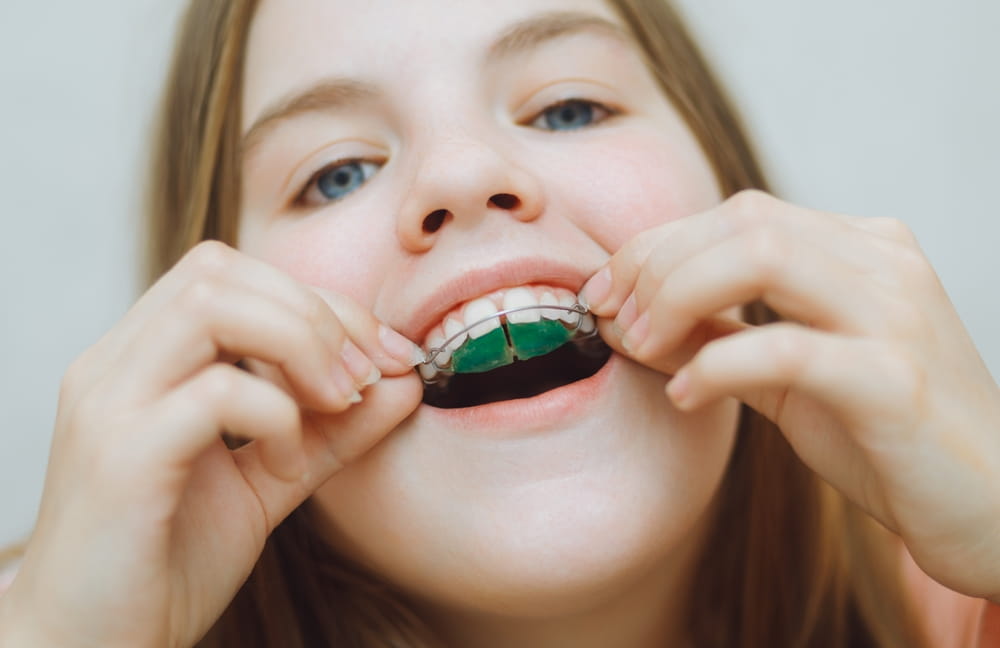
One of the most tangible ways compliance affects treatment outcomes is through the consistent use of orthodontic appliances. Braces rely on wires and brackets to gradually shift teeth, while aligners use precise pressure to move teeth into the desired position. If patients do not follow recommended wear schedules, the intended forces are disrupted, slowing tooth movement and potentially causing misalignment. Even small lapses in appliance use can have a cumulative effect over time, extending treatment by months in some cases.
Elastics, headgear, or other adjunctive devices are particularly sensitive to patient compliance. Their effectiveness is largely dependent on regular wear as directed. Failure to adhere to these instructions may result in incomplete corrections, improper bite alignment, or increased discomfort. Consistent appliance use not only ensures timely progress but also allows orthodontists to monitor and adjust treatment effectively, reducing the likelihood of complications and promoting smoother transitions throughout the care plan.
Maintaining a disciplined approach to appliance use also encourages patients to develop healthy habits and a better understanding of their own oral anatomy. Over time, this awareness reinforces the importance of ongoing maintenance, even after active treatment concludes.
Cooperation Through Oral Hygiene and Appointments
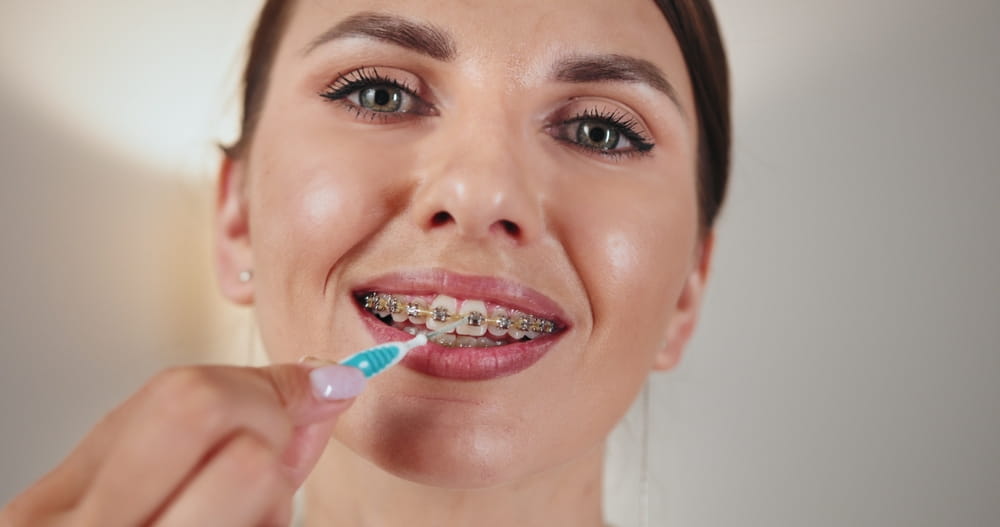
Oral hygiene and regular appointments are another critical component of orthodontic success. Braces and aligners can trap food particles and increase the risk of plaque buildup, gum inflammation, and cavities. Patients who cooperate by brushing, flossing, and using recommended tools reduce the risk of dental issues that could interrupt or complicate treatment.
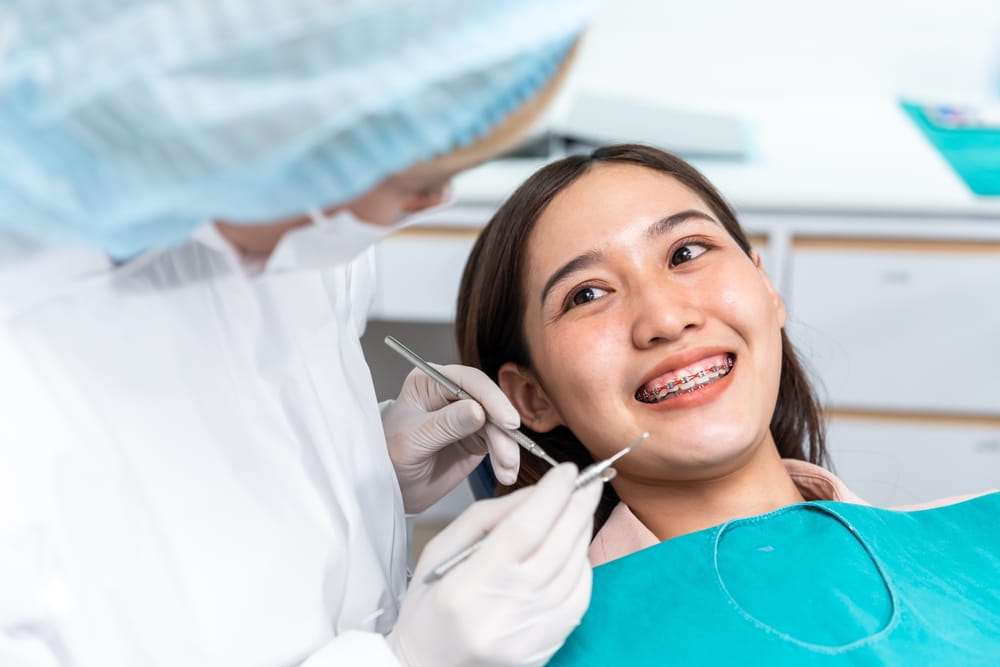
Regular check-ins with the orthodontic team allow for timely adjustments, troubleshooting, and monitoring of treatment progress. Missing appointments or delaying care can slow treatment and compromise results. Cooperation is not just about following instructions at home but also actively engaging with the treatment process, asking questions, and reporting concerns promptly.
- Key ways compliance and cooperation improve outcomes include:
- Wearing appliances exactly as prescribed
- Maintaining diligent oral hygiene routines
- Attending scheduled appointments consistently
- Communicating openly with the orthodontic team
By focusing on these behaviors, patients support the overall success of their treatment and ensure the best possible results in both appearance and oral health.
Conclusion
Compliance and cooperation are fundamental to achieving orthodontic success. They ensure that treatment progresses efficiently, teeth move as intended, and long-term results are maintained. At Davis Family Orthodontics, serving Lawrenceville, Morrow, Stone Mountain, and Loganville, GA, understanding this relationship helps patients appreciate their role in the process and empowers them to achieve the healthiest, most functional, and aesthetically pleasing outcomes possible.
Resources
Proffit, W. R., Fields, H. W., & Sarver, D. M. (2018). Contemporary Orthodontics. Elsevier.
Littlewood, S. J., & Bearn, D. R. (2004). Orthodontic relapse: a systematic review. British Journal of Orthodontics.
Graber, T. M., Vanarsdall, R. L., & Vig, K. W. L. (2016). Orthodontics: Current Principles and Techniques. Elsevier.