

Severe dental crowding occurs when there is insufficient space in the jaw to accommodate all the teeth properly. This condition often leads to overlapping, rotated, or misaligned teeth, which can affect both oral function and aesthetic appearance. Understanding the underlying causes of crowding is essential for developing an effective orthodontic treatment plan. Genetics play a significant role in determining jaw size and tooth dimensions, and discrepancies between these factors can lead to crowded dentition. Additionally, habits such as thumb-sucking or prolonged pacifier use in childhood may contribute to the development of misalignment that worsens over time.
Patients with severe crowding often face challenges with oral hygiene due to overlapping teeth, which can trap food particles and create areas difficult to clean. This increases the risk of gum disease, cavities, and enamel wear. Beyond health concerns, crowding can impact self-esteem, especially when visible front teeth are affected. A comprehensive evaluation, including clinical examination and radiographic imaging, is crucial in assessing the severity of crowding and determining whether early intervention or more advanced orthodontic strategies are necessary. At Davis Family Orthodontics in Lawrenceville, Morrow, Stone Mountain, and Loganville, GA, understanding the nuances of severe crowding begins with thorough patient evaluation.
Comprehensive Evaluation and Diagnosis
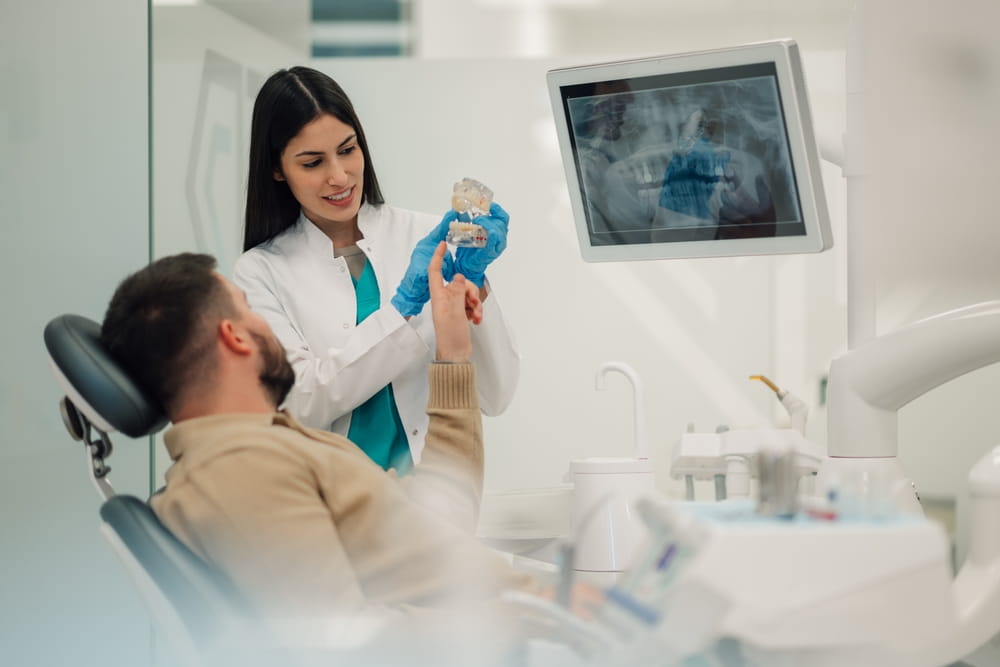
The first step in managing severe crowding is a detailed orthodontic assessment. This evaluation includes measuring tooth size, arch length, and jaw relationships to identify the root causes of misalignment. Impressions or digital scans of the teeth are often used to create a three-dimensional model for analysis. Radiographs, including panoramic and cephalometric X-rays, help assess tooth position, root alignment, and the presence of impacted teeth. Identifying these factors is critical for planning an effective treatment approach that balances both function and aesthetics.
In addition to structural assessments, the patient’s dental history and oral health status are considered. Pre-existing conditions, such as missing teeth, abnormal eruption patterns, or periodontal concerns, can influence the recommended treatment pathway. Functional considerations, including bite alignment and jaw movements, are also evaluated to ensure long-term stability. Early and precise diagnosis allows orthodontists to anticipate potential challenges and customize treatment plans that are realistic and effective, improving both outcomes and patient experience.
Treatment Planning Strategies
Orthodontic treatment for severe crowding often requires a multifaceted approach tailored to each patient’s needs. Treatment planning may involve one or more of the following strategies:
- Tooth Extraction: Removing select teeth can create sufficient space for proper alignment and reduce overcrowding.
- Expansion Appliances: Devices such as palatal expanders widen the dental arch to accommodate all teeth without extraction.
- Interproximal Reduction: This technique involves careful enamel removal between teeth to create minimal space for alignment.
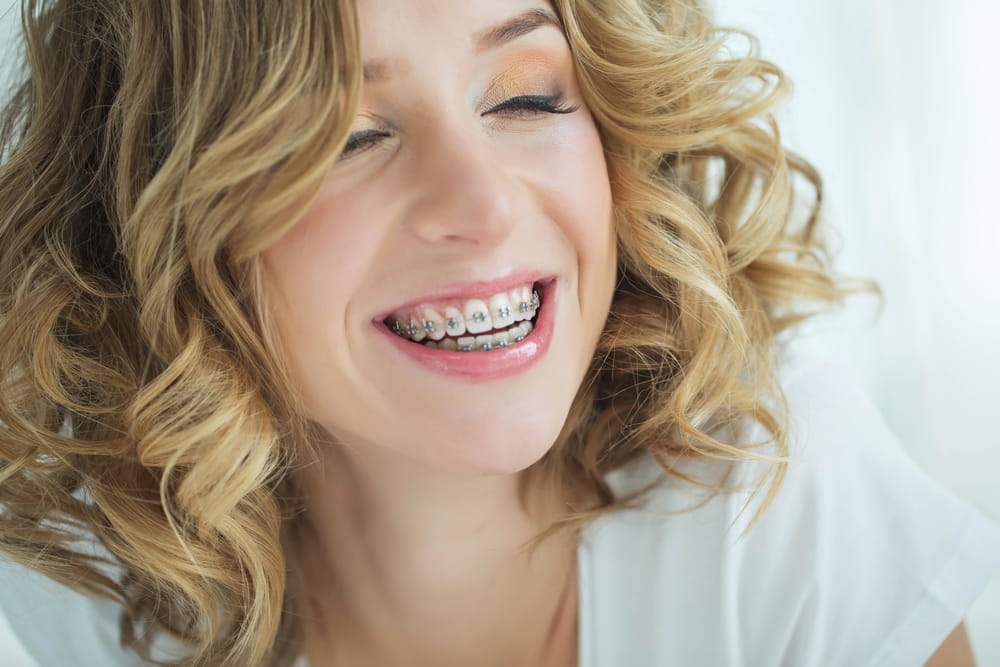
- Orthodontic Braces or Clear Aligners: These tools gradually move teeth into ideal positions, improving both function and aesthetics.
Effective treatment planning also involves considering the timing of intervention. For younger patients, growth potential can be leveraged to achieve more efficient outcomes, while adults may require more extensive strategies to address long-standing crowding. Treatment duration, patient compliance, and potential need for adjunctive procedures, such as surgical interventions, are all factored into the plan to ensure the most favorable long-term results.
Maintaining Oral Health During Treatment
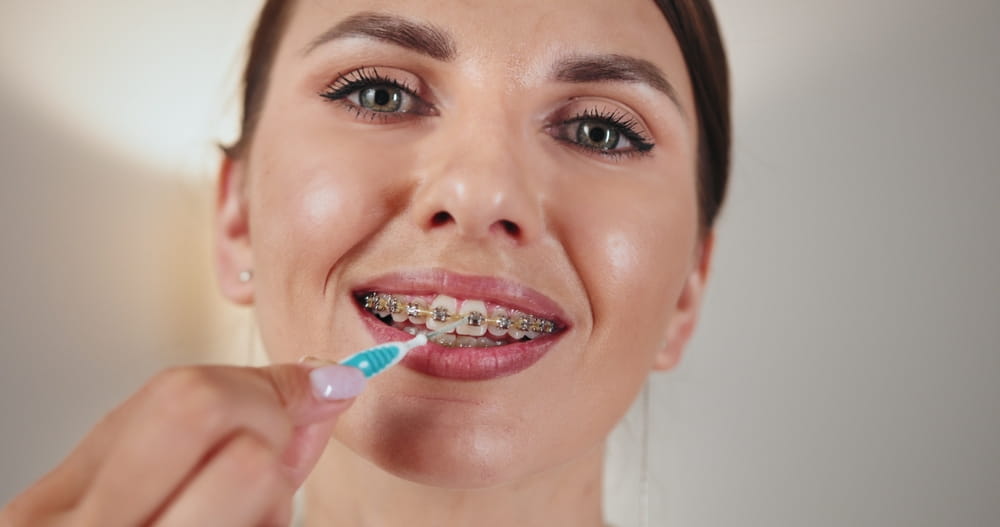
Managing severe crowding involves ongoing attention to oral hygiene throughout orthodontic treatment. Crowded teeth create natural spaces where plaque and bacteria can accumulate, increasing the risk of cavities and gum disease. Patients are encouraged to adopt meticulous brushing and flossing routines, possibly supplemented with interdental brushes or water flossers to reach difficult areas. Regular dental check-ups and professional cleanings are critical during orthodontic treatment to maintain healthy gums and teeth.
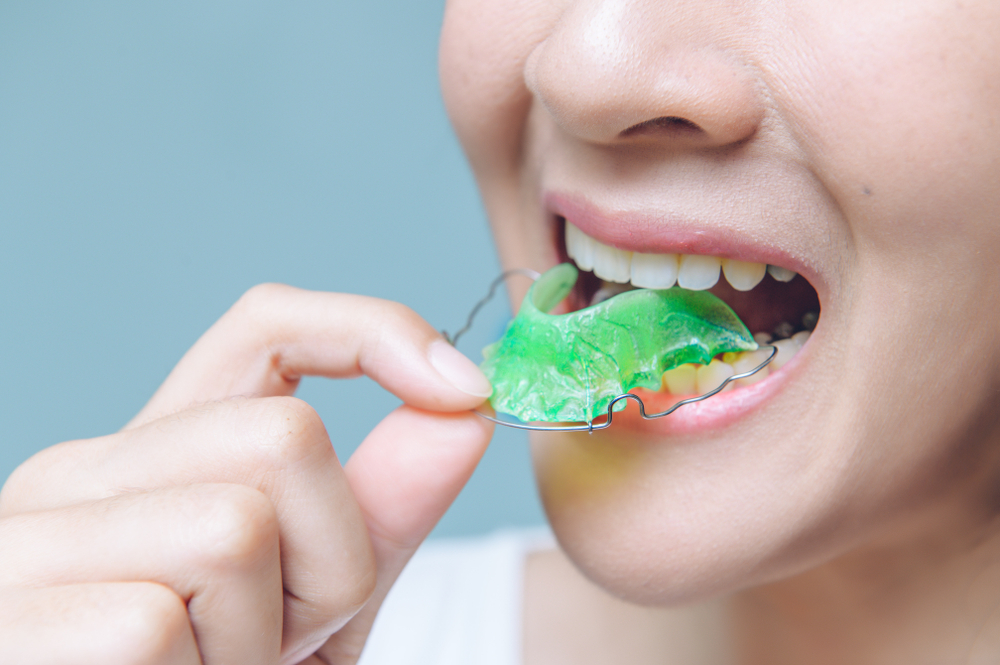
Additionally, monitoring the stability of tooth movement is essential. Retention devices, such as fixed or removable retainers, are often recommended after active orthodontic treatment to prevent relapse. Patients must understand the importance of long-term retention, as crowded teeth have a natural tendency to shift back to their original positions without proper support. Educating patients about these preventive measures ensures that the functional and aesthetic benefits of treatment are preserved.
Severe dental crowding presents unique challenges for orthodontic care, but with careful evaluation, customized treatment planning, and diligent oral hygiene, optimal outcomes are achievable. At Davis Family Orthodontics, serving Lawrenceville, Morrow, Stone Mountain, and Loganville, GA, understanding the complexities of severe crowding allows patients to make informed decisions and achieve lasting results.
Resources:
Proffit, W. R., Fields, H. W., & Sarver, D. M. (2018). Contemporary Orthodontics. Elsevier.
Little, R. M. (2006). The Irregularity Index: A Quantitative Score of Mandibular Anterior Alignment. American Journal of Orthodontics.
McNamara, J. A., & Brudon, W. L. (2001). Orthodontics and Dentofacial Orthopedics. Needham Press.