

Talking to a teen about getting braces can feel like a delicate situation. Adolescence is a time when confidence, appearance, and independence all play a major role in how decisions are received. At Davis Family Orthodontics, Dr. Laura Davis often emphasizes that conversations about orthodontic care should feel supportive rather than directive, especially for families in Lawrenceville, Morrow, Stone Mountain, and Loganville, GA navigating this stage of growth.
The best approach is to start the conversation casually and without pressure. Instead of presenting braces as something that “has to happen,” it can help to frame it as an opportunity for improvement and long-term health. Teens are more likely to respond positively when they feel included in the decision-making process rather than being told what to do. Asking open-ended questions like how they feel about their smile or if they’ve noticed any discomfort can create a more natural and productive dialogue.
Understanding Your Teen’s Perspective
Teens often have concerns that go beyond just the physical aspect of braces. Social perception, comfort, and lifestyle changes can all influence how they feel about orthodontic treatment. Some may worry about how braces will look in photos or at school, while others may be concerned about pain or restrictions on their favorite foods.
Taking time to listen without interrupting or dismissing these concerns is key. Even if their worries seem minor, they are valid from a teen’s perspective. Acknowledging these feelings helps build trust and makes it easier to guide them toward informed decisions. It can also be helpful to share relatable examples, such as friends or classmates who have gone through treatment, to normalize the experience.
Explaining the Benefits in a Way That Resonates
Teens are more likely to engage when they understand the “why” behind orthodontic treatment. Rather than focusing solely on aesthetics, it can be helpful to explain how braces contribute to overall oral health. Proper alignment can improve chewing, speech, and long-term dental stability, which are benefits that extend far beyond appearance.
At the same time, appearance does matter to many teens, and it’s okay to acknowledge that. A confident smile can have a positive impact on social interactions and self-esteem. Presenting treatment as a way to enhance both health and confidence can make the conversation more balanced and relatable.
Exploring Treatment Options Together
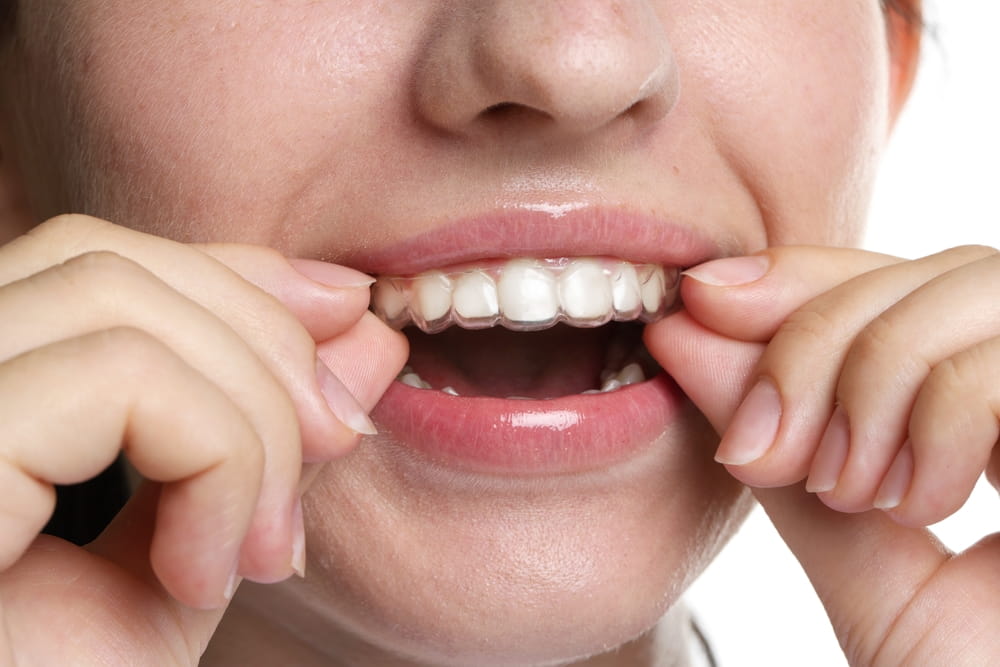
One of the most effective ways to involve your teen is by exploring treatment options together. Today’s orthodontic solutions are more flexible and discreet than ever, which can help address common concerns about visibility and comfort. Options such as Types Of Braces or Invisalign Treatment for Teens offer different approaches that can suit a variety of preferences and lifestyles.
Including your teen in researching and discussing these options allows them to feel a sense of control over the process. When they have a voice in choosing their treatment, they are often more motivated to follow through with care instructions and stay committed throughout the journey.
Addressing Common Concerns and Misconceptions
It’s common for teens to have misconceptions about braces, often based on outdated information or stories they’ve heard from others. Addressing these concerns directly can help reduce anxiety and build confidence in the process.
Many teens worry about pain, but modern orthodontic techniques are designed to be more comfortable than in the past. Others may be concerned about how braces will affect their daily routine, including eating and participating in activities. Providing clear, honest information helps set realistic expectations and prevents unnecessary fear. Reassurance combined with accurate information can make a significant difference in how a teen perceives treatment.
Supporting Your Teen Throughout the Process
Once your teen agrees to orthodontic treatment, ongoing support becomes just as important as the initial conversation. Adjusting to braces or aligners can take time, and encouragement from parents can help ease the transition. Small gestures, such as checking in on how they’re feeling or helping them adapt to new routines, can go a long way.
Consistency is also key. Helping your teen stay on track with appointments, oral hygiene, and any specific instructions ensures that treatment progresses smoothly. Options like Orthodontics For Teens are designed with this age group in mind, supporting both functional improvements and lifestyle compatibility.
Building Confidence Beyond the Smile
Orthodontic treatment is not just about straightening teeth—it’s about building confidence during a formative stage of life. When teens feel supported and involved, they are more likely to view braces as a positive step rather than a burden. This shift in perspective can influence how they carry themselves socially and emotionally.
At Davis Family Orthodontics, conversations around braces are often approached as part of a bigger picture that includes growth, self-confidence, and long-term health. For families in Lawrenceville, Morrow, Stone Mountain, and Loganville, GA, taking the time to communicate openly and thoughtfully can make all the difference in how teens experience orthodontic care.
Resources
Albino, J. E., Lawrence, S. D., & Tedesco, L. A. (1994). Psychological and social effects of orthodontic treatment. Journal of Behavioral Medicine.
Shaw, W. C., Richmond, S., & O’Brien, K. D. (1991). The use of occlusal indices: a European perspective. American Journal of Orthodontics and Dentofacial Orthopedics.
Feu, D., Oliveira, B. H., Oliveira Almeida, M. A., Kiyak, H. A., & Miguel, J. A. (2010). Oral health-related quality of life and orthodontic treatment seeking. American Journal of Orthodontics and Dentofacial Orthopedics.