
Orthodontics is often associated with creating a straighter, more attractive smile, but its benefits extend beyond appearance. Proper tooth and jaw alignment can play an important role in maintaining long-term oral health. When teeth are positioned correctly, they can function more efficiently, remain easier to clean, and help support overall dental wellness.
For families in Lawrenceville, Morrow, Stone Mountain, and Loganville, GA, Davis Family Orthodontics understands that learning about the relationship between orthodontics and oral health can help individuals make informed decisions about their smiles. Orthodontic care focuses on addressing alignment concerns that may affect how teeth come together, how they function, and how they can be maintained over time.
A well-aligned smile can contribute to healthier daily habits. When teeth fit together properly and are easier to access during brushing and flossing, individuals may find it simpler to maintain good oral hygiene. These small improvements can support better dental health throughout childhood, adolescence, and adulthood.
Improving Tooth Alignment for Better Oral Hygiene
One of the most important ways orthodontics supports oral health is by improving tooth alignment. Crowded or overlapping teeth can create areas that are difficult to reach with a toothbrush or floss. These spaces may allow plaque and food particles to accumulate, making consistent cleaning more challenging.
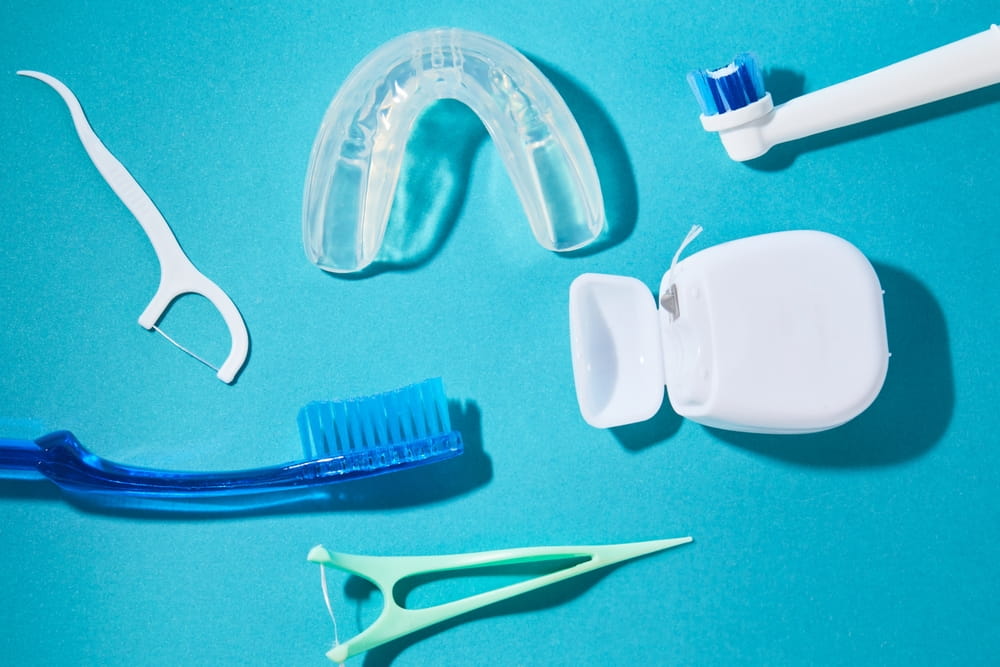
When teeth are properly aligned, individuals may have an easier time maintaining effective brushing and flossing routines. Better access to tooth surfaces can help reduce the likelihood of plaque buildup, which is associated with concerns such as cavities and gum irritation.
Orthodontic treatment can also help create a more balanced smile by addressing spacing issues. Gaps between teeth can sometimes make cleaning difficult as well, depending on their size and location. Improving alignment allows individuals to develop more predictable oral hygiene routines that support long-term dental health.
Supporting Proper Bite Function and Comfort
A healthy smile depends not only on straight teeth but also on how the upper and lower teeth work together. The way teeth meet during biting and chewing can influence daily comfort and overall oral function. Bite concerns such as overbites, underbites, crossbites, and open bites may affect how pressure is distributed across the teeth.
When a bite is uneven, certain teeth may experience more stress than others. Over time, this uneven pressure can contribute to excessive tooth wear or discomfort during chewing. Addressing bite alignment can help create a more balanced relationship between the teeth and jaws.
Proper bite alignment also supports efficient chewing and speaking. Since teeth and jaw structures work together every day, maintaining a functional bite is an important part of protecting oral health for the future.
Reducing the Risk of Future Dental Concerns
Orthodontics can help address alignment issues that may contribute to future dental challenges. Teeth that are crowded, rotated, or positioned incorrectly may be more vulnerable to uneven wear or difficulty with cleaning. Improving their position can make long-term maintenance more manageable.
A straighter smile does not eliminate the need for regular dental care, but it can provide a stronger foundation for healthy habits. Routine dental visits, proper brushing, flossing, and balanced nutrition remain essential parts of maintaining oral wellness.
For children and teens, orthodontic care may also support healthy smile development as their teeth and jaws continue to grow. For adults, improving alignment can help address concerns that may have developed over time. Every stage of life presents unique oral health needs, and orthodontic awareness can be valuable at any age.
Building Confidence Through a Healthier Smile
While oral health benefits are a major part of orthodontic care, confidence is another important consideration. Many people feel more comfortable smiling, speaking, and interacting socially when they feel positive about their teeth. A healthy smile can influence self-esteem and encourage individuals to take greater pride in their oral care.
For children and teenagers, confidence can be especially important during years of personal growth and social development. Feeling comfortable with their smile may help them participate more freely in school activities, friendships, and new experiences.
Adults may also experience confidence improvements when they address concerns related to tooth alignment. A smile that feels healthy and functional can positively influence everyday interactions and personal well-being.
Creating Lifelong Healthy Smile Habits
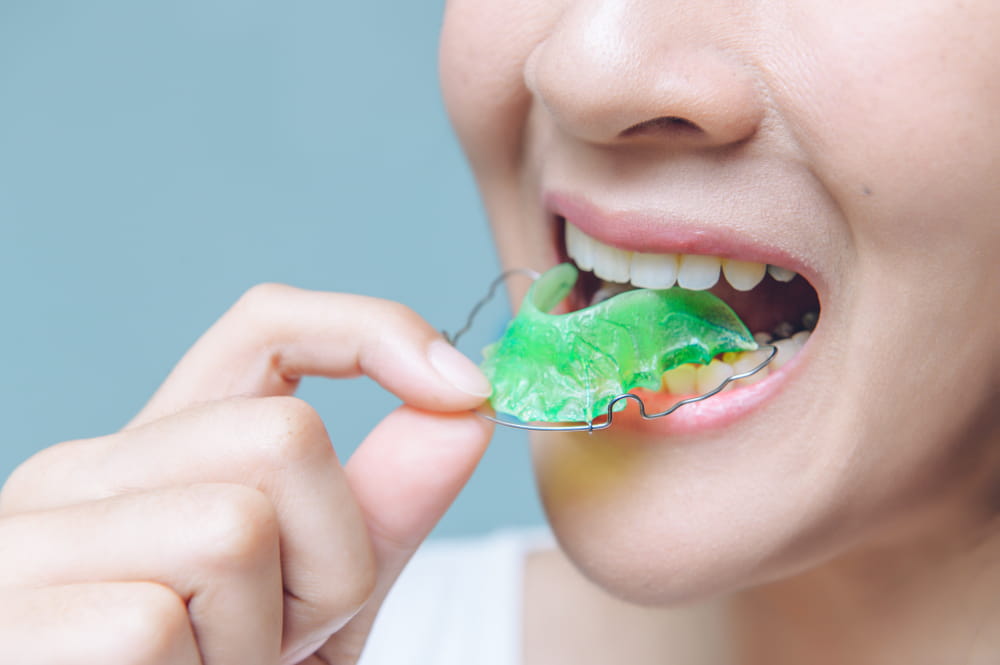
Orthodontics is not only about the changes that happen during treatment; it is also about creating habits that support a lifetime of oral health. Learning proper brushing techniques, caring for orthodontic appliances, and maintaining regular dental visits can encourage responsibility and awareness.
For younger patients, orthodontic experiences can help establish strong oral hygiene habits early in life. These habits can continue into adulthood and contribute to ongoing dental health. Adults can also benefit from reinforcing consistent care routines as part of their overall wellness.
Maintaining a healthy smile requires continued effort after orthodontic treatment is complete. Wearing retainers as recommended, attending dental checkups, and practicing good oral hygiene are all important steps in preserving results and supporting long-term health.
Understanding the Long-Term Value of Orthodontic Care
Orthodontics provides benefits that go beyond achieving a straighter smile. By improving alignment, supporting bite function, and making oral hygiene easier, orthodontic care can contribute to a healthier foundation for lifelong dental wellness.
For individuals and families in Lawrenceville, Morrow, Stone Mountain, and Loganville, GA, Davis Family Orthodontics emphasizes the importance of understanding how orthodontics can support long-term oral health. With proper knowledge, consistent care, and healthy habits, individuals can protect their smiles and enjoy the benefits of improved oral function for years to come.
Resources
American Association of Orthodontists. (2024). Orthodontics: Improving Oral Health Through Proper Alignment. American Association of Orthodontists.
American Dental Association. (2023). Oral Health Topics: Brushing, Flossing, and Preventive Dental Care. American Dental Association.
Proffit, W. R., Fields, H. W., Larson, B. E., & Sarver, D. M. (2019). Contemporary Orthodontics. Elsevier.