
Understanding how long orthodontic treatment takes is a common question for patients considering braces or aligners. At Davis Family Orthodontics, serving Lawrenceville, Morrow, Stone Mountain, and Loganville, GA, we often emphasize that treatment duration is influenced by multiple factors that vary from person to person. The goal of orthodontic treatment is to achieve a properly aligned, functional, and aesthetically pleasing smile, but the timeline to reach that goal depends on individual circumstances, biological responses, and treatment approaches. Appreciating these factors helps patients set realistic expectations and understand the science behind the process.
Factors Influencing Treatment Duration
Several key factors influence the length of orthodontic treatment. One of the most significant is the complexity of the dental issues being addressed. Minor misalignments or spacing issues typically take less time to correct than severe crowding, bite problems, or jaw discrepancies. The number of teeth requiring movement, their positions, and the amount of correction needed all play a role in determining how long treatment will last. Additionally, patient age affects treatment speed. Younger patients often experience faster tooth movement because their bones are still developing and more responsive to orthodontic forces, whereas adult patients may require longer periods for similar adjustments.
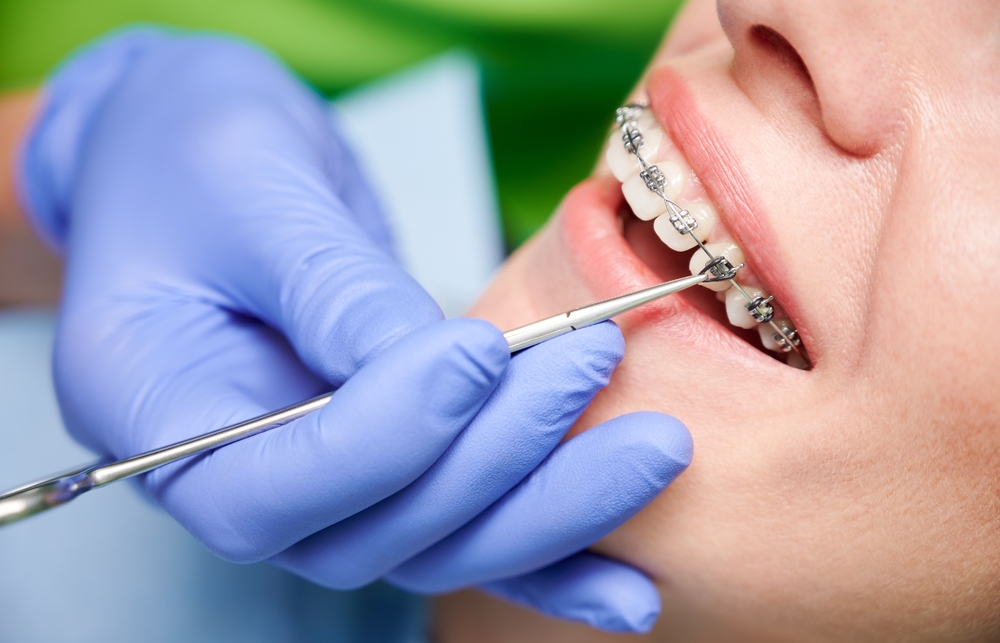
Another important factor is the type of orthodontic appliance used. Different braces or aligner systems apply forces differently, and some are designed for accelerated tooth movement. Compliance with treatment instructions also impacts duration. For example, patients who wear removable aligners consistently as instructed may achieve results faster than those who do not. Biological response, such as how quickly bone remodels and tissues adapt to pressure, can vary from person to person, adding another variable to the timeline. Understanding these factors underscores why orthodontic treatment is highly individualized and requires careful planning.
Average Treatment Times
While each case is unique, orthodontic treatment generally takes between 12 and 36 months to complete. Simpler cases may be resolved in a year, whereas more complex situations, such as severe bite problems or significant crowding, can take two to three years or more. Treatment typically progresses in phases, including alignment, bite correction, and finishing adjustments. Each phase relies on precise tooth movement guided by carefully applied forces to achieve the desired results while preserving oral health.
- Alignment Phase: Initial correction of crooked or misaligned teeth.
- Bite Correction Phase: Adjustments to ensure proper occlusion and jaw alignment.
- Finishing Phase: Final refinements for optimal aesthetics and function.
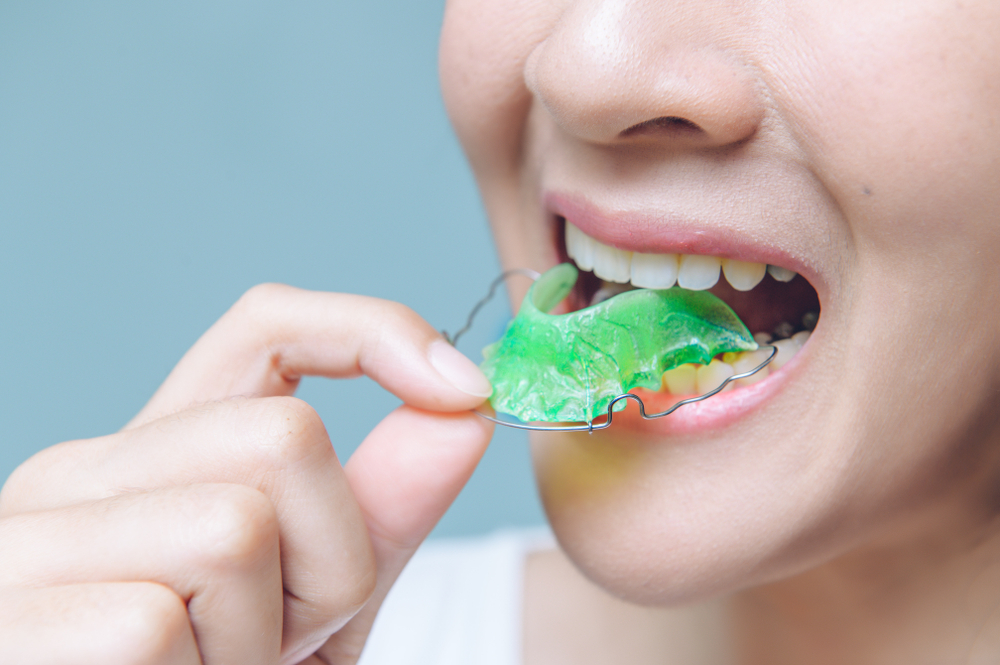
It is important to note that even after active treatment is complete, retention is a crucial stage. Retainers help stabilize teeth in their new positions, preventing relapse and maintaining long-term results. Although the active treatment timeline provides a general framework, the retention phase can last indefinitely, emphasizing that orthodontic care is an ongoing process rather than a fixed endpoint.
Patient Factors and Compliance
Patient behavior can significantly influence how long orthodontic treatment takes. Consistently attending appointments, following dietary guidelines, and using appliances as directed all contribute to treatment efficiency. Skipping appointments, breaking brackets, or not wearing aligners for the recommended hours can extend the timeline significantly. Biological factors, such as bone density, metabolism, and oral health, also affect the pace of tooth movement. For adults, slower bone remodeling can result in a longer duration compared to adolescents whose tissues respond more rapidly to orthodontic forces. Understanding the interaction between patient habits and biological response provides a clear picture of why timelines may vary.
In conclusion, the duration of orthodontic treatment is determined by a combination of dental complexity, biological response, appliance type, and patient compliance. At Davis Family Orthodontics, with offices in Lawrenceville, Morrow, Stone Mountain, and Loganville, GA, understanding these factors allows patients to set realistic expectations while appreciating the careful planning and science behind every smile transformation. By recognizing that treatment timelines are individualized, patients can approach orthodontic care with patience and confidence in achieving long-lasting results.
Resources:
Proffit, W. R., Fields, H. W., & Sarver, D. M. (2013). Contemporary Orthodontics. Elsevier Health Sciences.
Graber, T. M., Vanarsdall, R. L., & Vig, K. W. L. (2011). Orthodontics: Current Principles and Techniques. Elsevier Health Sciences.
Littlewood, S. J., Millett, D. T., Doubleday, B., Bearn, D. R., & Worthington, H. V. (2014). Retention Procedures for Stabilizing Tooth Position in Orthodontic Treatment. Cochrane Database of Systematic Reviews.