

Jaw growth plays a significant role in how teeth align and how orthodontic treatment is planned over time. At Davis Family Orthodontics, patients in Lawrenceville, Morrow, Stone Mountain, and Loganville, GA often learn that orthodontic needs are influenced not only by tooth position but also by how the upper and lower jaws develop. Understanding the relationship between jaw growth and orthodontic care helps patients and families make informed decisions at every stage of life.
The Basics of Jaw Growth and Development
How the Jaws Change Over Time
The upper and lower jaws grow at different rates and in different directions throughout childhood and adolescence. This growth pattern directly affects how teeth erupt and fit together. When jaw development is balanced, teeth are more likely to align properly, but uneven growth can lead to crowding, spacing, or bite issues.
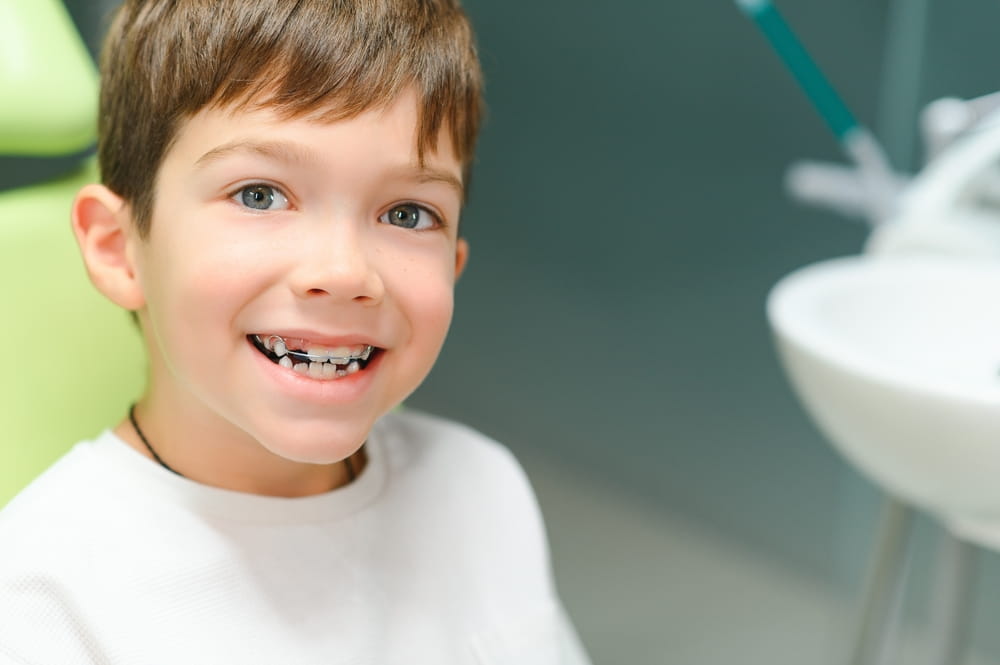
Jaw growth is most active during childhood and early teenage years, which is why early evaluations are often recommended for Orthodontics For Children. Identifying growth patterns early allows potential concerns to be monitored and addressed at the most effective time.
Jaw Growth and Bite Alignment
Understanding Bite Relationships
The relationship between the upper and lower jaws determines how the bite functions. If one jaw grows faster or slower than the other, it can result in overbites, underbites, or crossbites. These conditions affect chewing efficiency and may place stress on the jaw joints and muscles.
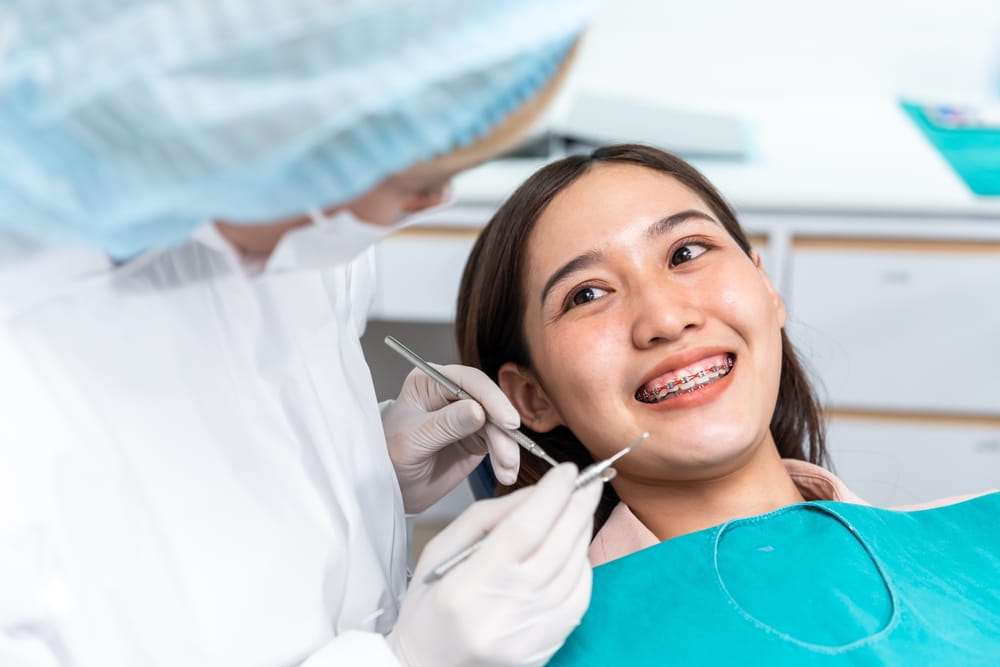
For patients undergoing Orthodontics For Teens, jaw growth can still be guided to some extent, making this phase a critical window for treatment. Addressing bite discrepancies during growth often leads to more stable outcomes compared to treatment after growth has completed.
Timing Orthodontic Treatment Around Growth
Why Age Matters
Orthodontic timing is closely linked to jaw development. Certain treatments are more effective when the jaws are still growing, as growth can be guided or redirected to improve alignment. This is why early assessments focus on growth patterns rather than immediate appliance placement.
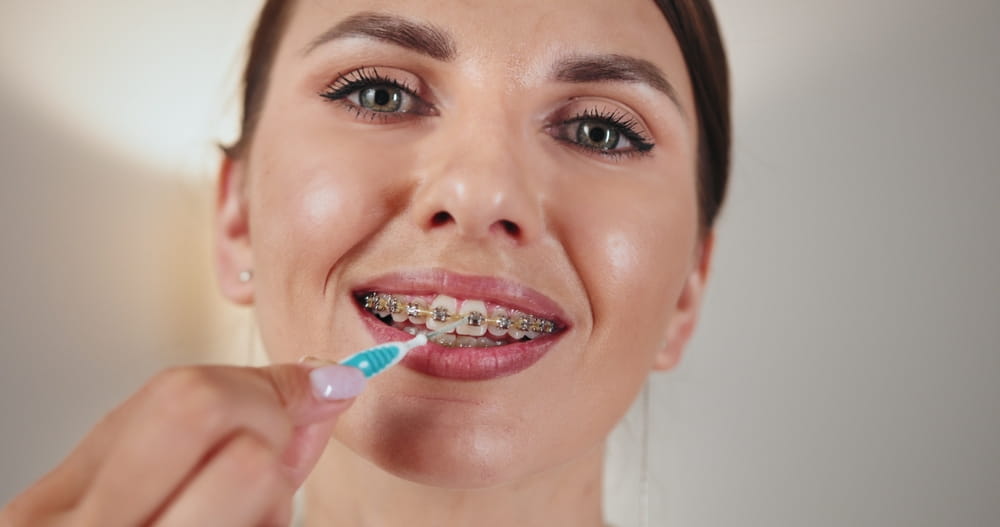
Adults pursuing Orthodontics For Adults typically have completed jaw growth, which means treatment focuses on tooth movement rather than growth modification. While excellent results are still achievable, treatment approaches differ from those used during active growth periods.
Jaw Growth and Appliance Selection
Matching Treatment to Development
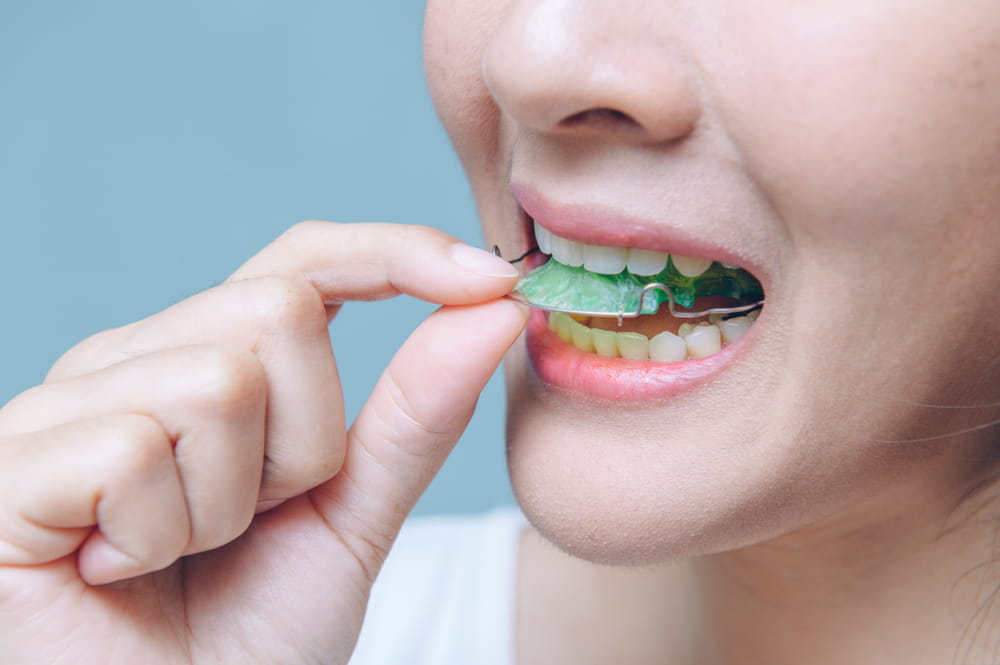
Jaw development influences the choice of orthodontic appliances. Traditional options among Types Of Braces may be used to correct complex bite issues related to jaw position. In growing patients, certain appliances can support jaw alignment while teeth are being straightened.
Clear aligner options such as Invisalign Treatment and Invisalign Treatment for Teens are often used when jaw growth is stable or when tooth movement is the primary focus. Understanding how jaw growth affects appliance choice helps set realistic expectations for treatment outcomes.
Long-Term Effects of Jaw Growth on Oral Health
Beyond Straight Teeth
Jaw growth influences more than just the appearance of the smile. Proper jaw alignment supports balanced chewing, clear speech, and healthy jaw joint function. When growth-related issues go unaddressed, they may contribute to uneven tooth wear or discomfort over time.
Monitoring jaw development helps ensure that orthodontic treatment supports both function and aesthetics. This comprehensive approach promotes long-term oral health and stability, particularly when growth patterns are considered early and managed appropriately.
- Early evaluations help identify growth-related concerns
- Balanced jaw development supports healthy bite function
- Treatment approaches vary depending on growth stage
Adapting to Changes Across Life Stages
A Lifelong Perspective on Alignment
Jaw growth continues subtly even after adolescence, and teeth can shift throughout adulthood. While growth modification is no longer possible in adults, maintaining alignment through consistent oral care and retention remains essential for preserving results.
At Davis Family Orthodontics, patients throughout Lawrenceville, Morrow, Stone Mountain, and Loganville, GA benefit from understanding how jaw growth affects orthodontic needs at every age. By recognizing the role of growth and development, patients can approach orthodontic care with greater clarity and confidence, supporting healthier smiles for years to come.
Sources:
Proffit, W. R., Fields, H. W., & Sarver, D. M. (2018). Contemporary Orthodontics. Elsevier.
American Association of Orthodontists. (2023). Early Orthodontic Treatment and Jaw Growth.
Moyers, R. E. (2014). Handbook of Orthodontics. Chicago: Year Book Medical Publishers.