

Residents in Lawrenceville, Morrow, Stone Mountain, and Loganville are no strangers to intense seasonal allergies. The Atlanta region is known for high pollen counts, especially during spring and fall, when trees, grasses, and weeds release allergens into the air. These allergens can irritate the respiratory system, leading to symptoms like nasal congestion, sneezing, and sinus pressure. While many people focus on the discomfort in the nose and eyes, the effects often extend far beyond those areas.
For patients visiting Davis Family Orthodontics, understanding how allergies impact overall oral health is important. Chronic nasal congestion often forces individuals to breathe through their mouths instead of their noses. This shift in breathing patterns can have lasting effects on oral structures, dental alignment, and even facial development, particularly in children and teens.
How Allergies Disrupt Proper Breathing Patterns
Mouth Breathing and Its Consequences
When nasal passages are blocked due to allergies, the body naturally compensates by switching to mouth breathing. While this may seem harmless in the short term, prolonged mouth breathing can lead to several oral health concerns. The nose plays a critical role in filtering, warming, and humidifying air before it enters the lungs. Mouth breathing bypasses this process, exposing the oral cavity to dry, unfiltered air.
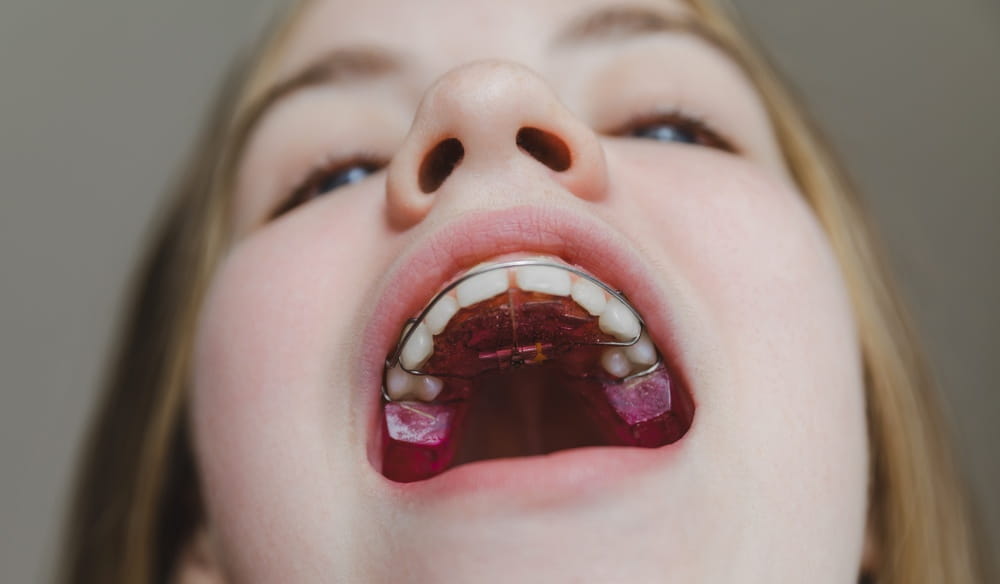
Over time, mouth breathing can alter the position of the tongue and jaw. The tongue may rest lower in the mouth rather than against the roof, which can influence how the upper jaw develops. This is particularly significant in growing children, as it may contribute to narrow dental arches, crowding, and bite misalignment. These issues often require orthodontic intervention later in life.
The Connection Between Allergies and Dry Mouth
Reduced Saliva and Increased Risk
Saliva plays a vital role in maintaining oral health by neutralizing acids, washing away food particles, and preventing bacterial growth. However, mouth breathing caused by allergies can significantly reduce saliva production, leading to dry mouth. A dry oral environment creates ideal conditions for bacteria to thrive, increasing the risk of cavities, gum inflammation, and bad breath.
In addition, many allergy medications, such as antihistamines, can further contribute to dry mouth. While these medications help relieve allergy symptoms, they may inadvertently impact oral health. Patients who frequently experience dry mouth should be mindful of hydration and oral hygiene practices to minimize potential complications.
Impact on Dental Alignment and Orthodontic Health
Long-Term Effects on Bite and Jaw Development
Chronic allergies during childhood can influence how teeth and jaws develop. When nasal breathing is compromised, the muscles around the mouth and face adapt to new patterns. This can result in an open bite, crossbite, or protruding teeth. These conditions are not only cosmetic concerns but can also affect chewing efficiency and speech development.
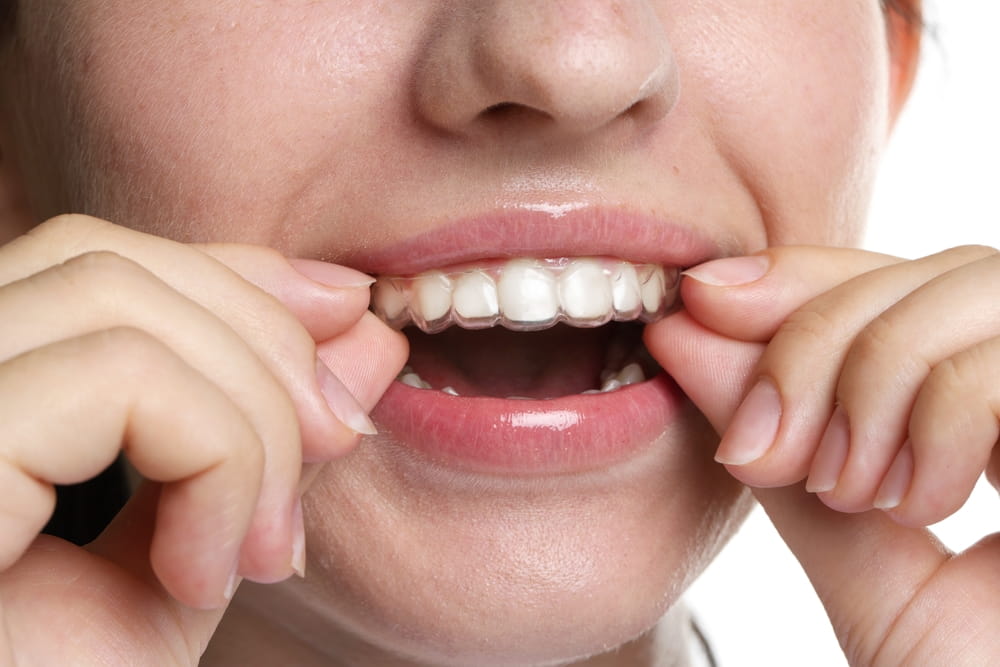
For patients exploring options like Orthodontics For Children or Orthodontics For Teens, recognizing the role of breathing is essential. Addressing airway issues early can help guide proper jaw growth and reduce the severity of orthodontic problems later on. In some cases, orthodontic treatments such as Types Of Braces or Invisalign Treatment may be recommended to correct alignment issues influenced by chronic mouth breathing.
Signs That Allergies Are Affecting Oral Health
What Patients Should Watch For
Many patients may not immediately connect allergy symptoms with oral health changes. However, certain signs can indicate that allergies are having a broader impact. Being aware of these symptoms can help individuals seek timely care and prevent long-term complications.
- Frequent dry mouth or waking up with a dry throat
- Persistent bad breath despite good oral hygiene
- Crowded or misaligned teeth developing over time
- Snoring or noisy breathing during sleep
- Gum irritation or increased sensitivity
These signs are especially important for parents to monitor in children, as early intervention can make a significant difference in long-term oral development.
Managing Allergy Symptoms to Protect Oral Health
Practical Strategies for Patients
Managing allergies effectively can help reduce their impact on breathing and oral health. Simple lifestyle adjustments, combined with proper medical care, can improve both respiratory comfort and dental outcomes. For example, using air purifiers, keeping windows closed during high pollen seasons, and regularly washing bedding can help minimize allergen exposure.
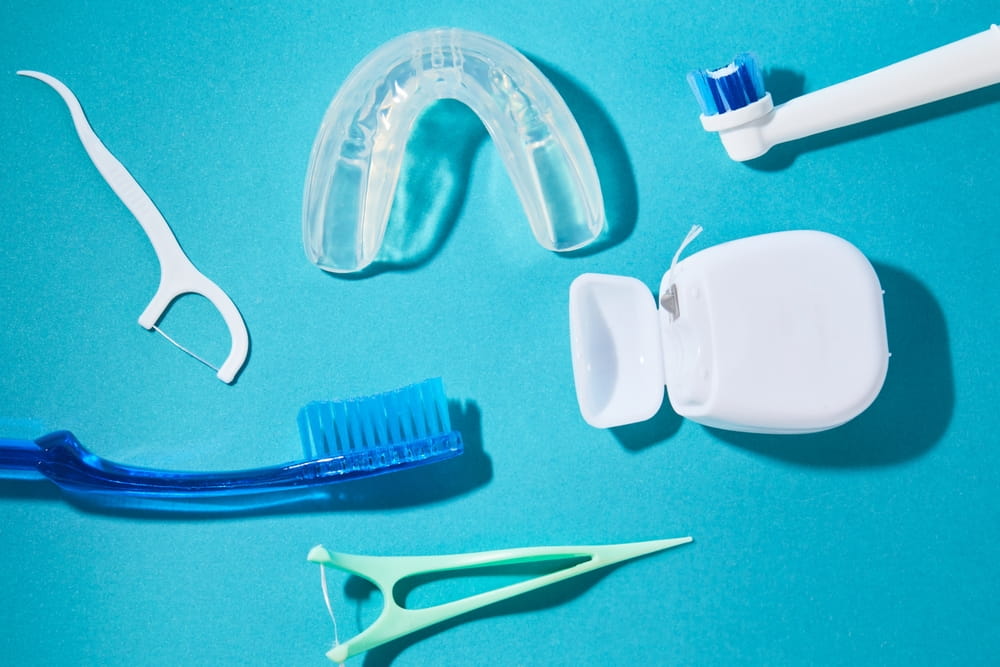
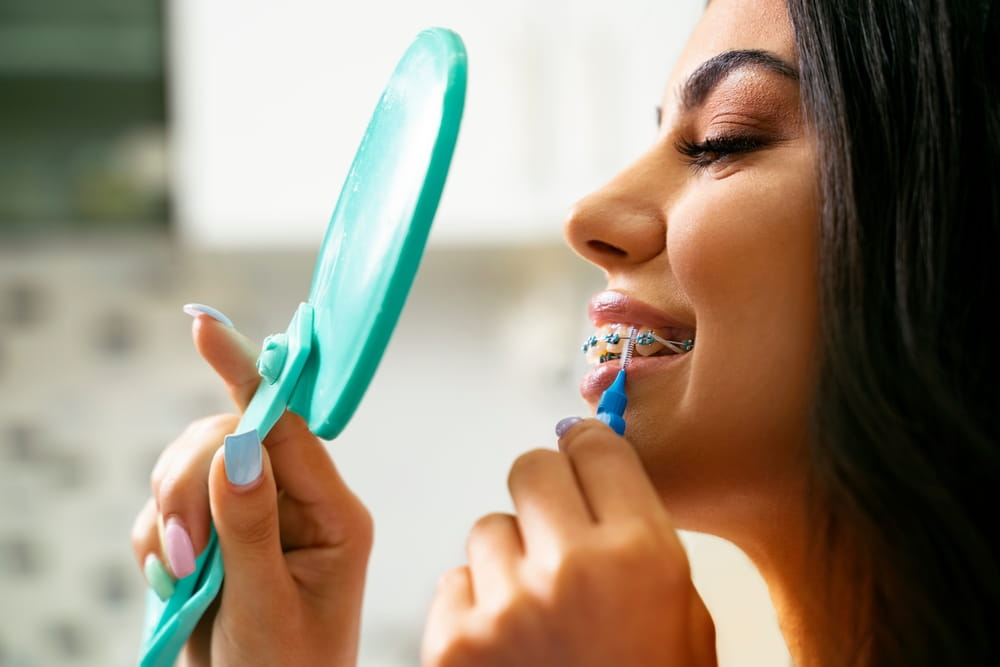
Maintaining good oral hygiene is equally important. Drinking plenty of water, using fluoride toothpaste, and considering saliva substitutes can help combat dry mouth. Patients undergoing orthodontic care, including Invisalign Treatment for Teens or Orthodontics For Adults, should be especially diligent, as appliances can trap bacteria more easily in a dry environment.
Why Breathing Matters for Overall Oral Health
The Bigger Picture
Breathing is more than just a basic function; it plays a critical role in shaping oral and facial structures. Proper nasal breathing supports balanced muscle function, optimal jaw positioning, and healthy dental alignment. When allergies interfere with this process, the effects can extend beyond temporary discomfort to long-term structural changes.
Understanding this connection empowers patients to take a proactive approach to both allergy management and oral health. By addressing breathing issues early, individuals can reduce the likelihood of complex orthodontic concerns and maintain better overall wellness.
Supporting Long-Term Health Through Awareness
For patients in Lawrenceville, Morrow, Stone Mountain, and Loganville, recognizing how seasonal allergies impact more than just the sinuses is an important step toward better health. At Davis Family Orthodontics, awareness of these connections helps patients make informed decisions about their care and long-term outcomes. By prioritizing both airway health and oral hygiene, individuals can protect their smiles and overall well-being.
Resources
Bousquet, J., et al. (2020). Allergic Rhinitis and Its Impact on Asthma (ARIA). Journal of Allergy and Clinical Immunology.
Jefferson, Y. (2010). Mouth Breathing: Adverse Effects on Facial Growth, Health, Academics, and Behavior. General Dentistry.
Humphrey, S. P., & Williamson, R. T. (2001). A Review of Saliva: Normal Composition, Flow, and Function. Journal of Prosthetic Dentistry.