

Orthodontic treatment focuses on aligning teeth, but the health of the gums plays an equally important role in achieving long-lasting results. Gums provide the foundation that supports teeth, and when they are compromised, the effectiveness of orthodontic care can be affected. At Davis Family Orthodontics, patients in Lawrenceville, Morrow, Stone Mountain, and Loganville often learn that healthy gums are essential for both comfort and successful outcomes throughout treatment.
When gums are inflamed or infected, they can become swollen and sensitive, making it more difficult for teeth to move properly. Orthodontic appliances rely on controlled movement within the bone and surrounding tissues, and unhealthy gums can interfere with this process. In more severe cases, untreated gum disease may even delay or pause treatment until the condition is resolved. This is why maintaining gum health is not just a recommendation—it is a critical part of orthodontic care.
How Orthodontic Appliances Impact Gum Health
Braces and clear aligners introduce new challenges when it comes to oral hygiene. Brackets, wires, and attachments can trap food particles and plaque, increasing the risk of gum irritation. Without proper care, this buildup can lead to gingivitis, which is the early stage of gum disease characterized by redness, swelling, and bleeding.
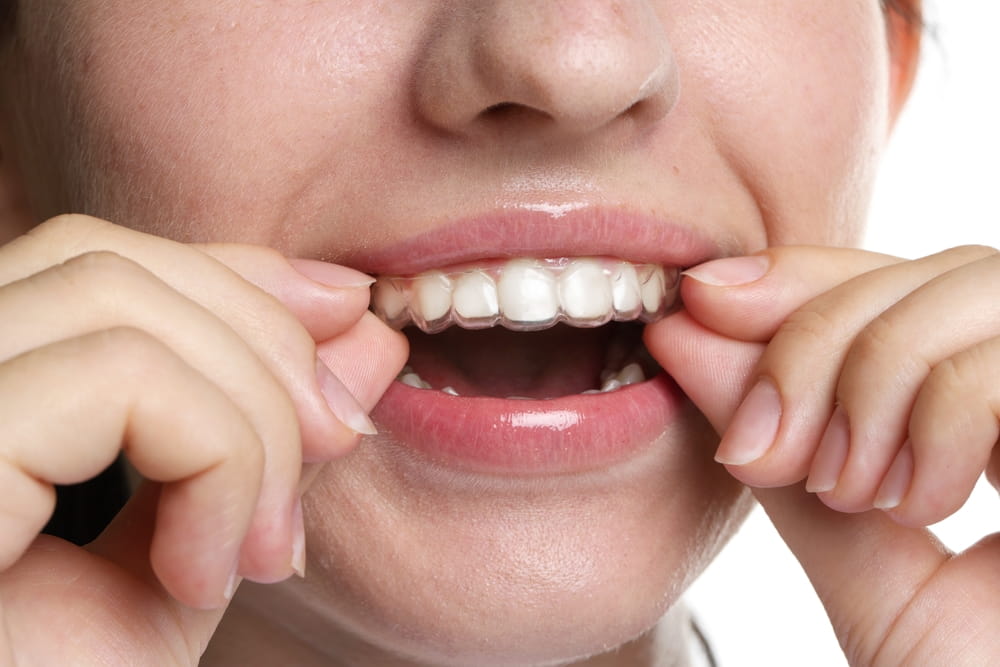
For patients using traditional braces or exploring different Types Of Braces, the physical structure of the appliance requires extra attention during brushing and flossing. Similarly, individuals using Invisalign Treatment must ensure that aligners are cleaned regularly and not worn over unclean teeth, as this can trap bacteria against the gums. While orthodontic tools are designed to improve alignment, they also require patients to be more diligent about maintaining gum health.
Recognizing Signs of Gum Problems Early
Being able to identify early signs of gum issues can help prevent more serious complications during orthodontic treatment. Many symptoms begin subtly but can worsen if not addressed promptly. Patients should pay close attention to changes in how their gums look and feel throughout their orthodontic journey.
Common warning signs include:
- Red or swollen gums
- Bleeding أثناء brushing or flossing
- Persistent bad breath
- Gum tenderness or discomfort
- Receding gum lines
If any of these symptoms are noticed, it is important to adjust daily habits and seek professional guidance if needed. Early intervention can prevent minor irritation from developing into more serious periodontal concerns.
Daily Habits That Support Healthy Gums
Consistent daily care is the most effective way to protect gum health during orthodontic treatment. Brushing at least twice a day—preferably after meals—helps remove plaque and food debris that can irritate the gums. Using a soft-bristled toothbrush and angling it properly around brackets or along the gumline ensures a more thorough clean.
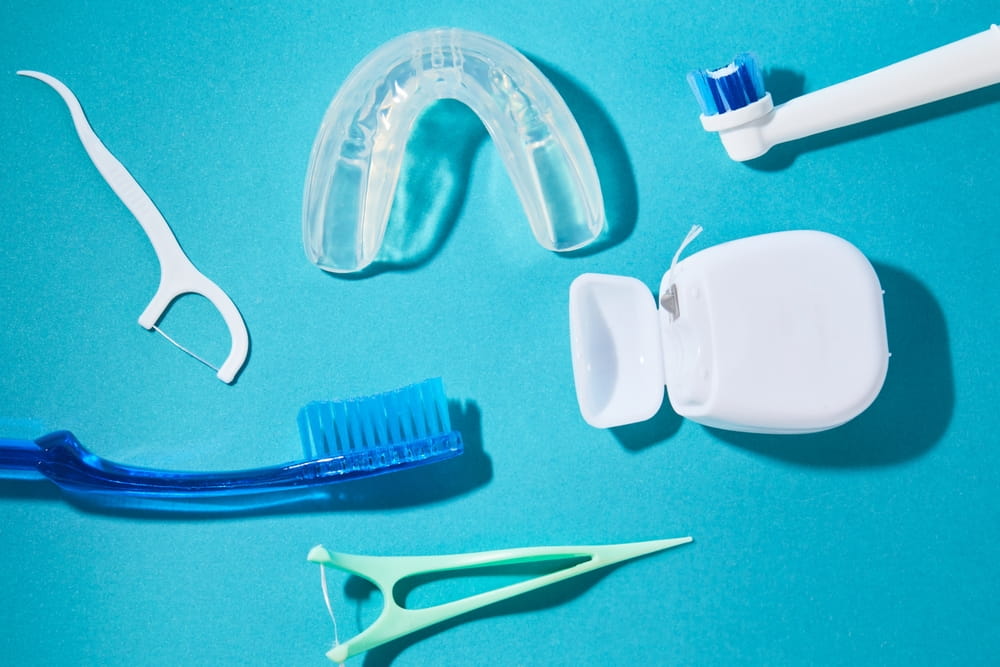
Flossing remains one of the most important yet often overlooked habits. For patients with braces, tools such as floss threaders or water flossers can make the process easier and more effective. Rinsing with an antimicrobial mouthwash can also help reduce bacteria that contribute to gum inflammation. These habits are especially important for patients across all age groups, whether they are undergoing Orthodontics For Children, Orthodontics For Teens, or Orthodontics For Adults.
The Role of Nutrition in Gum Health
Diet plays a significant role in maintaining healthy gums during orthodontic treatment. Nutrient-rich foods support the body’s ability to fight inflammation and repair tissues, while poor dietary choices can increase the risk of gum disease. Vitamins such as vitamin C are particularly important for gum health, as they help maintain connective tissue and reduce inflammation.
Limiting sugary snacks and beverages is essential, as sugar promotes the growth of harmful bacteria that can lead to plaque buildup. Staying hydrated also helps wash away food particles and supports saliva production, which naturally protects the gums. Making mindful dietary choices can complement daily hygiene habits and contribute to a healthier orthodontic experience.
Long-Term Benefits of Prioritizing Gum Health
Focusing on gum health during orthodontic treatment offers benefits that extend well beyond the duration of care. Healthy gums create a stable foundation for aligned teeth, helping to maintain results after braces or aligners are removed. Patients who prioritize gum care are also less likely to experience complications such as gum recession or periodontal disease later in life.
At Davis Family Orthodontics, patients in Lawrenceville, Morrow, Stone Mountain, and Loganville are encouraged to view gum health as an integral part of their orthodontic journey. By combining proper hygiene, balanced nutrition, and consistent habits, individuals can support both their treatment progress and their overall oral health, leading to a confident and lasting smile.
Resources
Löe, H. (1967). The Gingival Index, the Plaque Index and the Retention Index Systems. Journal of Periodontology.
American Dental Association. (2021). Gum Disease (Gingivitis and Periodontitis). ADA.
Chapple, I. L. C., & Genco, R. (2013). Diabetes and Periodontal Diseases. Journal of Clinical Periodontology.