
Managing orthodontic treatment during the school year can feel like an adjustment, especially with busy schedules, extracurricular activities, and academic responsibilities. For students undergoing treatment, staying consistent with daily habits is key to keeping progress on track. At Davis Family Orthodontics, patients in Lawrenceville, Morrow, Stone Mountain, and Loganville often ask how to balance school routines with orthodontic care, and the answer lies in preparation and consistency.
The school environment introduces unique challenges, such as limited time between classes, eating lunch on the go, and remembering to maintain oral hygiene away from home. However, with a little planning, students can successfully manage their orthodontic care without disrupting their daily routines. Establishing a system early in the school year helps reduce stress and ensures that treatment stays on schedule.
Creating a School-Friendly Oral Hygiene Routine
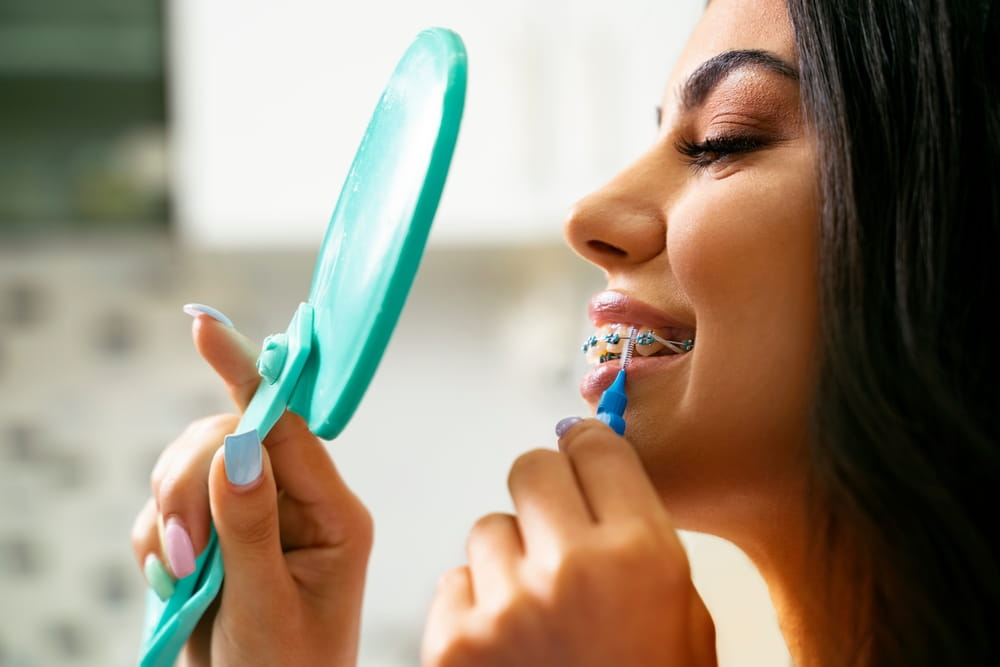
Maintaining oral hygiene at school is one of the most important aspects of orthodontic care. Food particles can easily become trapped in braces or linger on teeth after meals, increasing the risk of plaque buildup and gum irritation. Without proper cleaning, this can lead to complications that may slow down treatment progress.
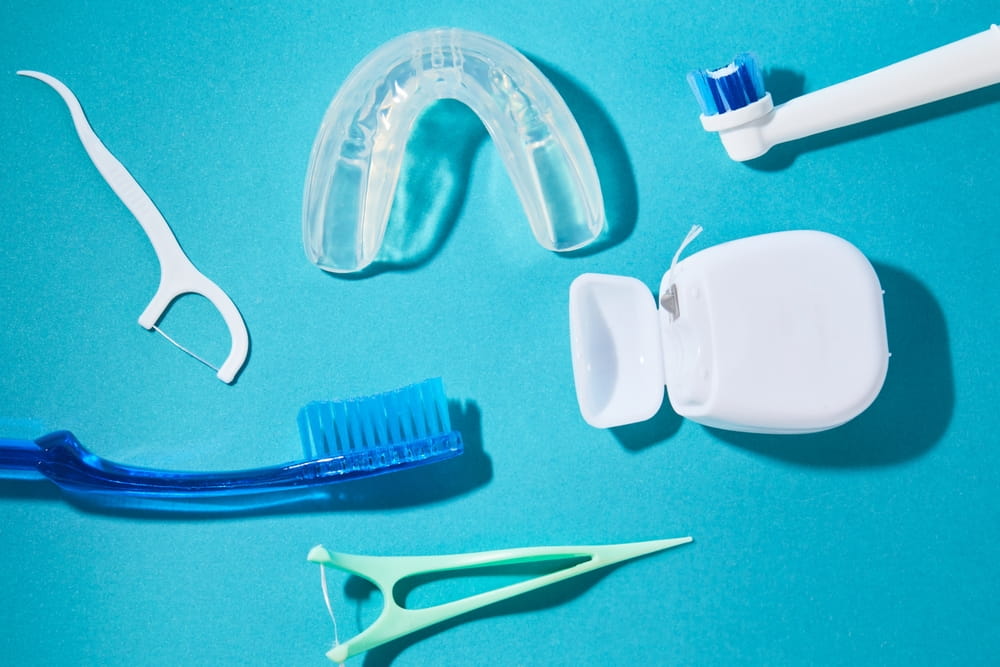
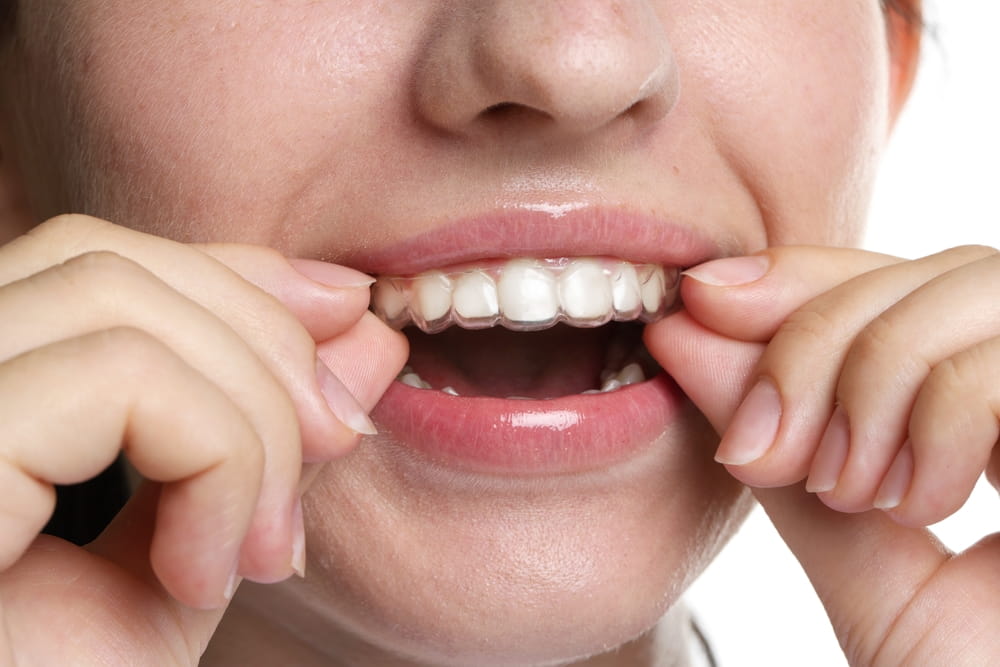
Students can benefit from carrying a small orthodontic care kit in their backpack. This kit may include a travel toothbrush, toothpaste, floss or flossing tools, and a small mirror for convenience. Brushing after lunch, even if it is just a quick clean, can make a significant difference. For those using clear aligners like Invisalign Treatment, it is especially important to brush before reinserting trays to prevent trapping bacteria against the teeth.
Smart Lunch Choices That Protect Braces and Aligners
School lunches often include foods that may not be ideal for orthodontic appliances. Hard, sticky, or crunchy items can damage brackets or wires, while sugary snacks can increase the risk of cavities. Making thoughtful food choices during the school day helps protect both the appliances and overall oral health.
Students should aim for softer, easy-to-eat foods that are less likely to cause damage. Options such as sandwiches with soft bread, yogurt, fruit slices, and cooked vegetables are typically safer choices. Avoiding items like hard candies, popcorn, and chewing gum can prevent unnecessary orthodontic emergencies. These habits are important for patients across all stages of care, whether they are in Orthodontics For Children, Orthodontics For Teens, or Orthodontics For Adults.
Staying Consistent With Orthodontic Instructions
Consistency is one of the most important factors in successful orthodontic treatment. During the school year, it can be easy to forget instructions such as wearing elastics or keeping aligners in for the recommended number of hours each day. However, even small lapses can affect the overall timeline and results.
Students using clear aligners, including Invisalign Treatment for Teens, should develop a habit of wearing their trays for the required 20–22 hours per day. Setting reminders on a phone or watch can help reinforce this routine. For those with braces, remembering to wear rubber bands as directed is equally important. Building these habits into a daily schedule helps ensure that orthodontic progress continues without interruption.
Preparing for Unexpected Orthodontic Situations
Even with the best care, minor orthodontic issues can sometimes occur during the school day. A loose bracket, poking wire, or misplaced aligner can be uncomfortable and distracting. Being prepared for these situations can help students manage them calmly until they can address them properly.
Keeping a few essentials in a school bag can make a big difference. Orthodontic wax can be used to cover sharp areas and reduce irritation. A small container for aligners can prevent them from being lost or damaged during meals. Understanding how to handle minor issues allows students to stay focused on their day without unnecessary stress.
- Carry a travel oral hygiene kit
- Pack orthodontic wax for discomfort
- Store aligners in a protective case
- Avoid foods that can damage appliances
- Set reminders for aligner wear or elastics
These simple steps can help students feel more confident and prepared throughout the school day.
Managing Discomfort and Maintaining Confidence
Adjustments and new aligners can sometimes cause mild discomfort, especially during the first few days. During the school year, this can make it harder to focus in class or participate in activities. Choosing softer foods and staying hydrated can help reduce discomfort, while over-the-counter pain relief may be used if necessary.
Confidence is another important factor, particularly for younger patients who may feel self-conscious about their orthodontic appliances. Over time, most students adapt and become more comfortable with their appearance. Remembering that orthodontic treatment is temporary and leads to long-term benefits can help maintain a positive outlook.
Building Habits That Last Beyond the School Year
The routines developed during orthodontic treatment often extend into lifelong oral health habits. Students who learn to prioritize hygiene, make smart dietary choices, and follow instructions consistently are more likely to maintain their results after treatment is complete. These habits also reduce the risk of future dental issues.
At Davis Family Orthodontics, patients in Lawrenceville, Morrow, Stone Mountain, and Loganville are encouraged to approach orthodontic care as part of their everyday routine, even during the busiest school months. With the right habits and preparation, managing orthodontics during the school year becomes a natural part of daily life, leading to a healthier and more confident smile.
Resources
Proffit, W. R., Fields, H. W., & Sarver, D. M. (2018). Contemporary Orthodontics. Elsevier.
American Association of Orthodontists. (2021). Braces and Orthodontic Care for Teens. AAO.
Centers for Disease Control and Prevention. (2022). Oral Health Tips for Children and Adolescents. CDC.