
Many patients are surprised to learn that teeth can continue to move long after adolescence. At Davis Family Orthodontics, individuals in Lawrenceville, Morrow, Stone Mountain, and Loganville, GA often ask why their smile looks different than it did years ago. Teeth shifting is a natural process influenced by biology, daily habits, and aging, but understanding why it happens makes prevention far more manageable.
The Natural Forces That Cause Teeth to Shift
Teeth are not fixed in bone like posts in concrete. They are supported by ligaments and bone that constantly respond to pressure and change. Everyday actions such as chewing, swallowing, and even speaking apply gentle forces to the teeth. Over time, these forces can contribute to subtle movement, especially if teeth were previously crowded or misaligned.
Aging also plays a role in dental changes. As people get older, jawbone density and muscle tone can shift slightly, affecting how teeth sit in the mouth. This is one reason adults may notice new spacing, crowding, or bite changes even if they had orthodontic treatment earlier in life.
How Growth and Development Affect Alignment
Growth patterns during childhood and adolescence significantly influence tooth position. As jaws develop, teeth may erupt unevenly or lack adequate space, leading to crowding or overlap. This is why early monitoring and Orthodontics For Children can be important for guiding proper development before alignment issues become more complex.
Even after growth is complete, changes can still occur. Wisdom teeth eruption, jaw remodeling, and natural wear patterns may all contribute to shifting. Understanding that alignment is dynamic rather than permanent helps patients recognize the importance of long-term prevention strategies.
Lifestyle Habits That Contribute to Tooth Movement
Certain habits can accelerate tooth shifting over time. Grinding or clenching the teeth, often associated with stress, places excess pressure on the dental arches. Similarly, oral habits such as nail biting or using teeth to open objects can influence alignment gradually.
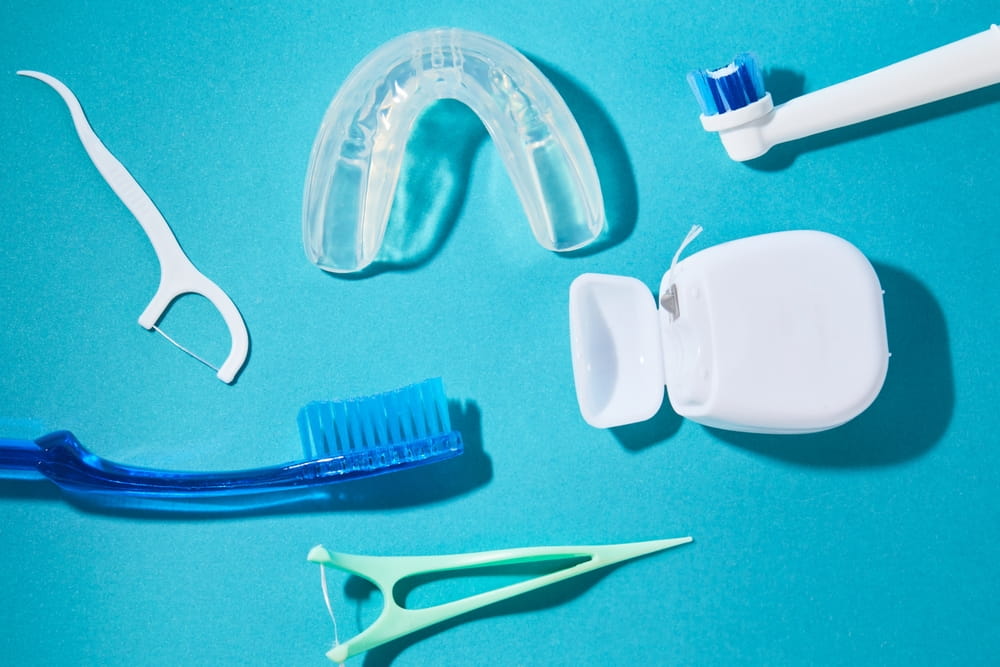
Inconsistent oral hygiene can also indirectly affect tooth position. Gum disease and bone loss reduce the structural support that keeps teeth stable, making them more prone to movement. Maintaining healthy gums is a critical but often overlooked factor in preserving alignment.
Orthodontic Treatment and Long-Term Stability
Orthodontic treatment is designed not only to straighten teeth but also to create a more stable bite. Options such as Orthodontics For Teens and Orthodontics For Adults use controlled forces to move teeth into balanced positions that function well together. Proper alignment reduces uneven pressure that can cause teeth to drift.
Understanding Types Of Braces helps patients see how different systems achieve stability. Whether using traditional braces or clear aligners, the goal is to position teeth in harmony with the jaw and surrounding muscles, which supports long-term retention.
The Role of Retention in Preventing Shifting
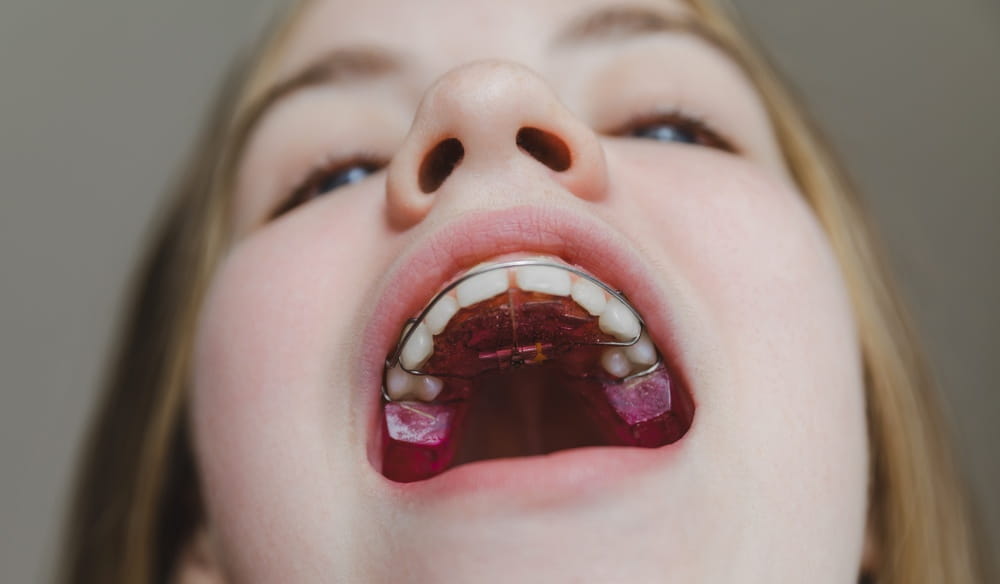
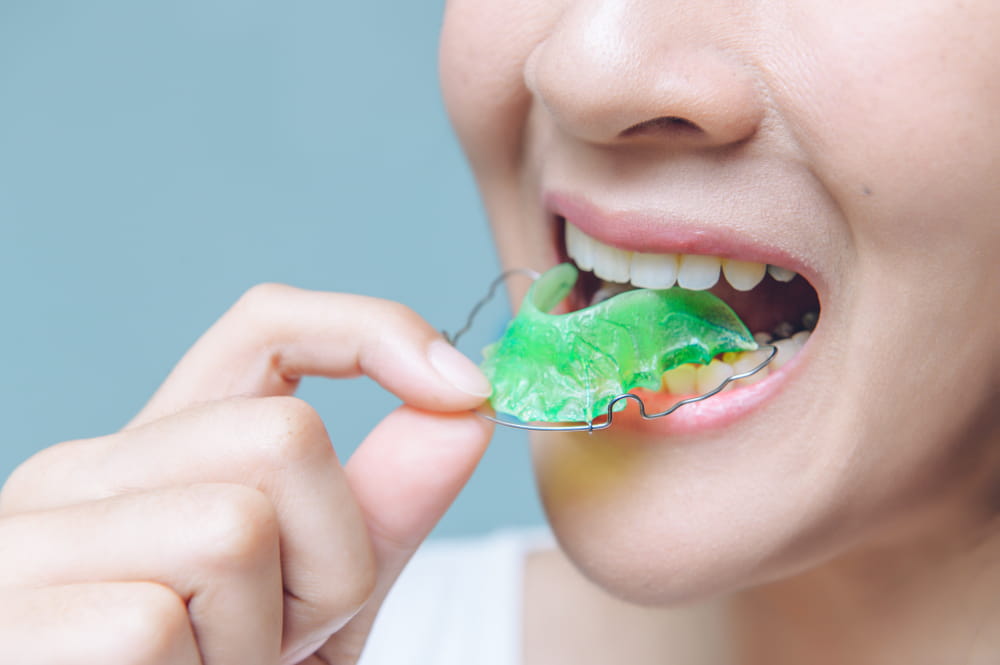
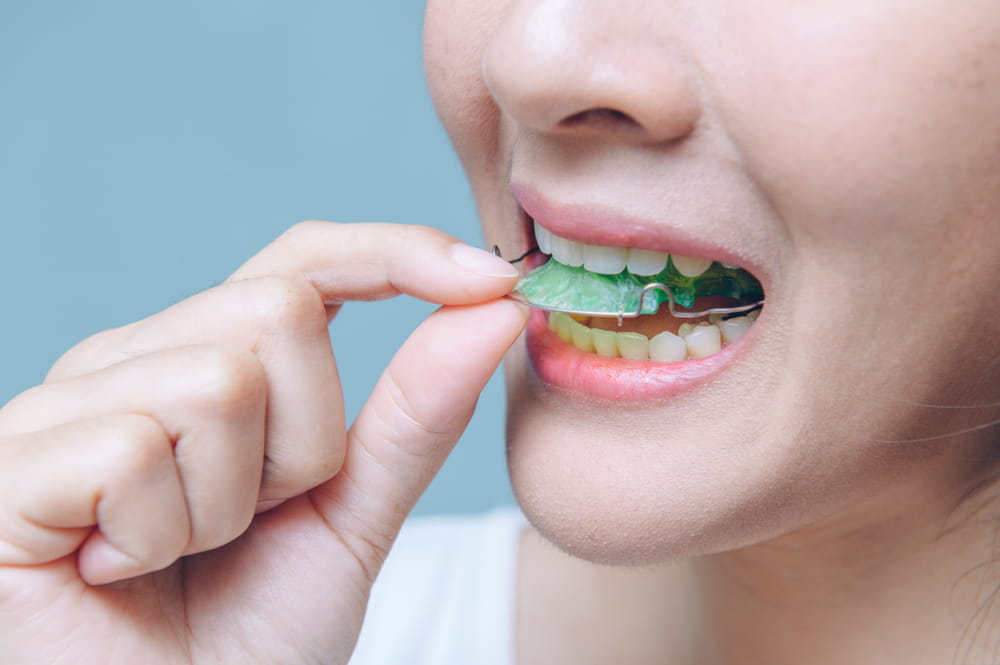
After orthodontic treatment, retention plays a vital role in maintaining results. Retainers help teeth stay in their new positions while the surrounding bone and tissues adapt. Without consistent retention, teeth may gradually return toward their original alignment, a process known as relapse.
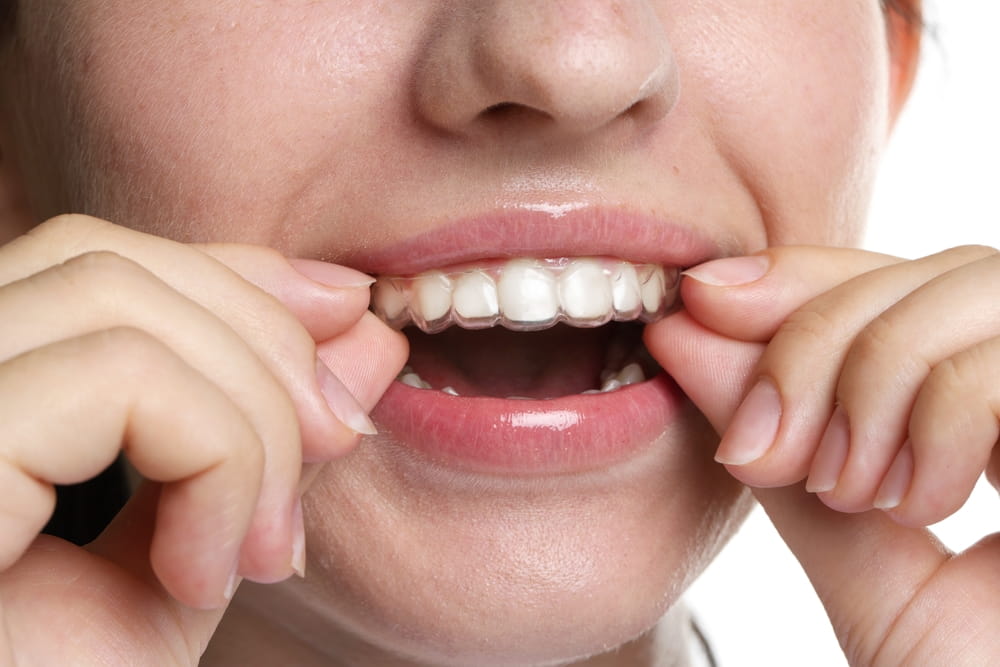
Clear aligner systems like Invisalign Treatment and Invisalign Treatment for Teens often include customized retention plans following active treatment. Common prevention strategies include:
- Wearing retainers as directed, especially at night
- Attending regular dental checkups to monitor alignment
- Addressing grinding or clenching habits early
These steps work together to protect orthodontic results over the long term.
Why Prevention Matters at Every Age
Preventing tooth shifting is not limited to those who have had braces. Even individuals who never received orthodontic treatment can benefit from understanding how alignment changes over time. Early awareness allows patients to take proactive steps before noticeable crowding or bite issues develop.
For adults, prevention supports not only aesthetics but also function and comfort. Aligned teeth are easier to clean, place less strain on the jaw, and often contribute to improved oral health overall. Small preventive measures can help avoid more extensive treatment later in life.
Teeth shifting is a natural process influenced by growth, habits, and time, but it does not have to compromise long-term oral health. By understanding why changes occur and how orthodontic care and retention help prevent them, patients can make informed decisions about their smiles. Davis Family Orthodontics remains a trusted educational resource for families in Lawrenceville, Morrow, Stone Mountain, and Loganville, GA who want to protect their alignment and maintain healthy smiles for years to come.
Resources
Proffit, W. R., Fields, H. W., & Sarver, D. M. (2018). Contemporary Orthodontics. Elsevier.
Little, R. M. (1999). Stability and relapse of dental alignment. American Journal of Orthodontics and Dentofacial Orthopedics.
American Association of Orthodontists. (2021). Retention and long-term orthodontic stability. AAO Educational Publications.