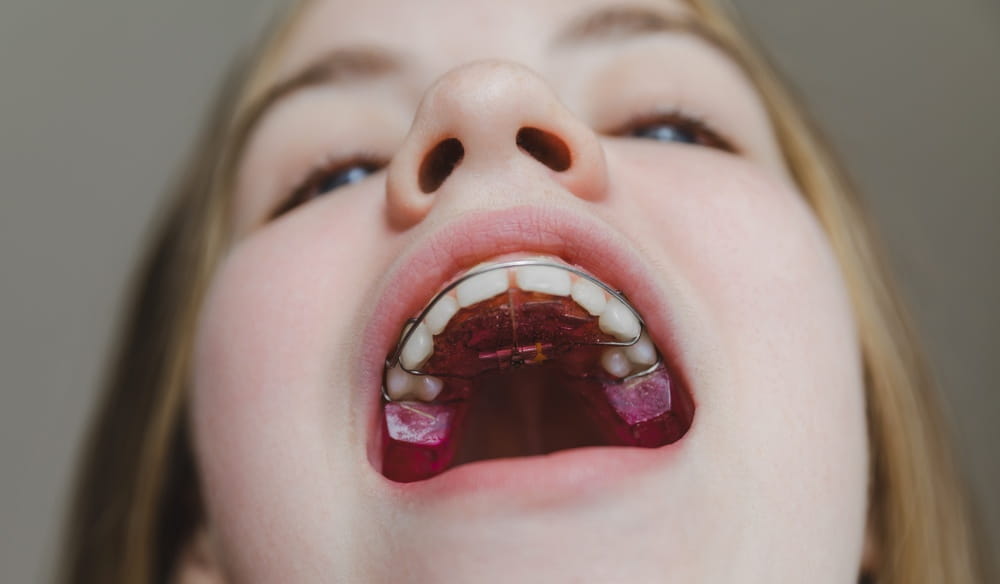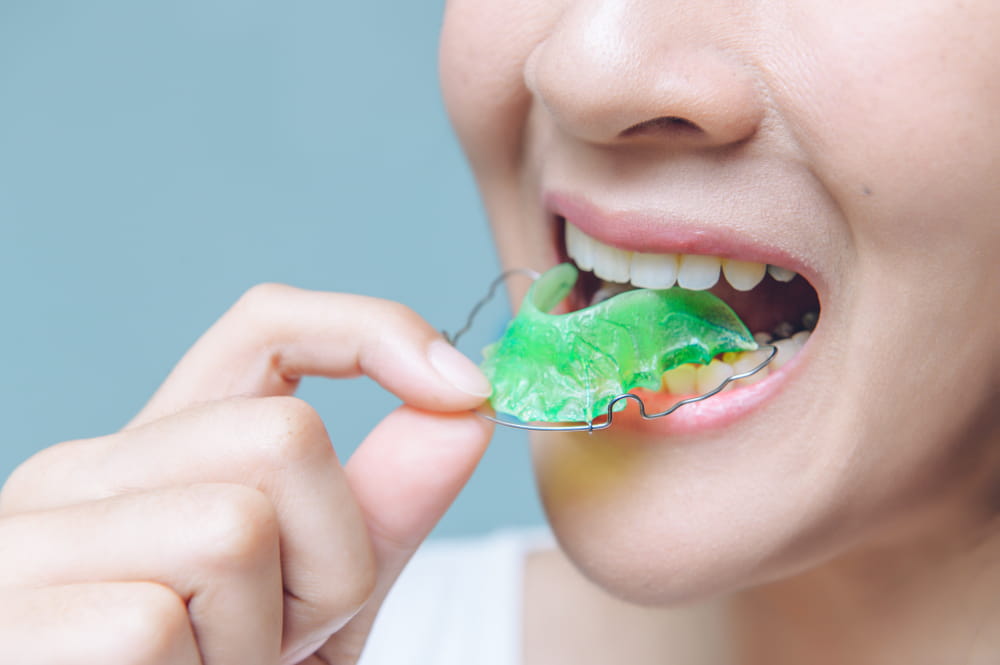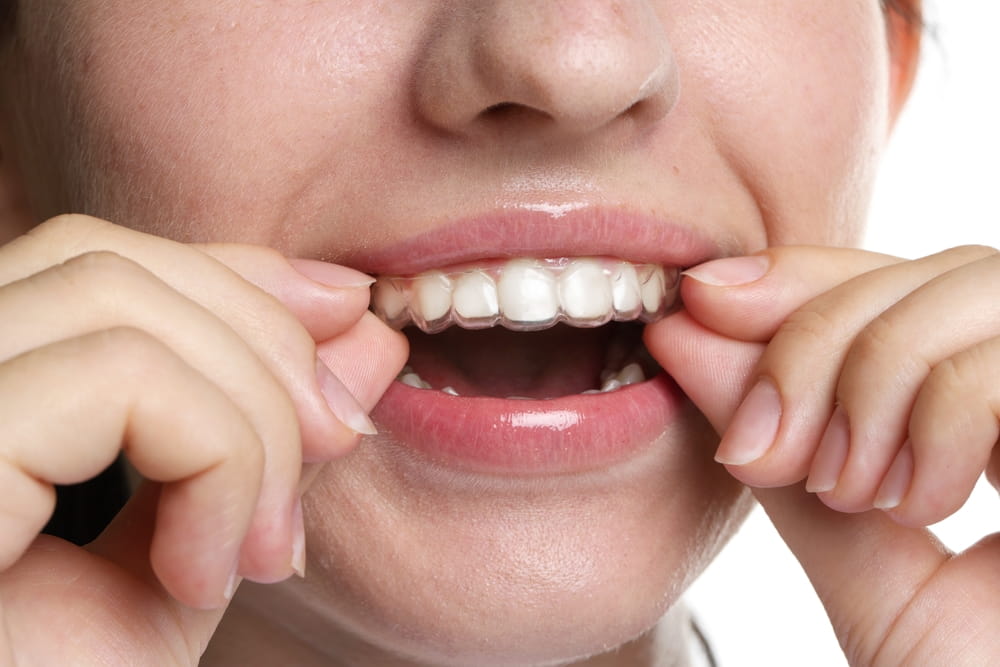

Orthodontic soreness is a common part of treatment, especially after adjustments or when starting a new set of aligners. This discomfort occurs because gentle, continuous pressure is applied to move teeth into proper alignment. As the teeth shift, the surrounding bone and tissues adapt, which can lead to temporary tenderness or sensitivity.
For patients and families in Lawrenceville, Morrow, Stone Mountain, and Loganville, GA, understanding that soreness is a normal part of progress can make the experience easier to manage. At Davis Family Orthodontics, patients often ask how to reduce discomfort without disrupting their daily routines. One of the simplest and most effective strategies involves choosing the right foods to support healing and minimize irritation.
The Role of Diet in Managing Discomfort
What you eat during orthodontic treatment can significantly impact how your mouth feels. Certain foods can either soothe sensitive teeth and gums or worsen irritation by applying additional pressure. Choosing softer, nutrient-rich foods can help reduce strain on teeth while still providing the energy and nourishment your body needs.
Diet also plays a role in inflammation. Foods that are gentle on the teeth and supportive of healing can make a noticeable difference in comfort levels. Whether undergoing treatment with traditional braces or options like Invisalign Treatment, making thoughtful food choices can help patients stay consistent without unnecessary discomfort.
Soft Foods That Provide Immediate Relief
Soft foods are often the go-to option when orthodontic soreness is at its peak. These foods require minimal chewing, reducing pressure on sensitive teeth while still being satisfying and easy to prepare. Incorporating these options into meals during the first few days after adjustments can make a big difference.
Some of the most helpful soft foods include:
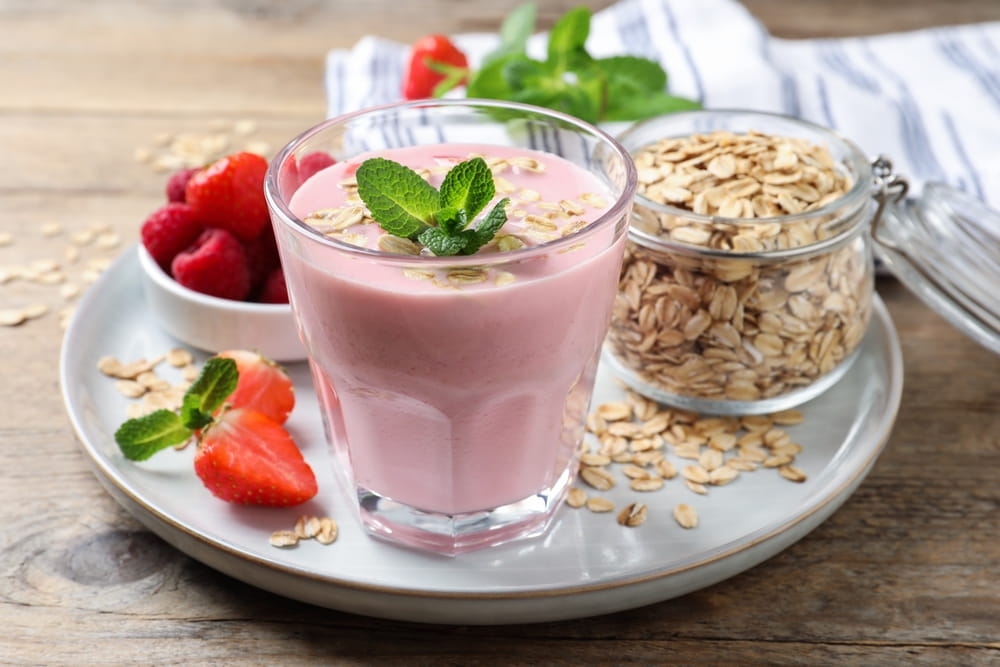
- Yogurt and smoothies
- Mashed potatoes or sweet potatoes
- Scrambled eggs
- Oatmeal or soft cereals
- Applesauce and soft fruits like bananas
- Soups and broths
These foods are especially beneficial for younger patients undergoing Orthodontics For Children or Orthodontics For Teens, as they provide comfort without compromising nutrition. They also help maintain energy levels during busy school or activity schedules.
Anti-Inflammatory Foods That Support Healing
In addition to soft textures, certain foods can help reduce inflammation and support the body’s natural healing process. Incorporating these foods into your diet may help minimize soreness and promote overall oral health during treatment.
Foods rich in omega-3 fatty acids, such as salmon and flaxseeds, are known for their anti-inflammatory properties. Leafy greens, berries, and foods high in antioxidants can also help support tissue health. Even simple additions like turmeric or ginger in meals can contribute to reducing discomfort over time. Patients exploring options like Types Of Braces may find that combining soft textures with anti-inflammatory ingredients provides both immediate and long-term relief.
Hydrating Foods and Their Benefits
Staying hydrated is essential during orthodontic treatment, but hydration can also come from the foods you eat. Foods with high water content can help soothe the mouth, reduce dryness, and support overall comfort. This is especially helpful for patients experiencing irritation from brackets or aligners.
Examples of hydrating foods include cucumbers, watermelon, and soups with a high liquid content. Smoothies are another excellent option, as they combine hydration with essential nutrients. For patients using aligners such as Invisalign Treatment for Teens, smoothies can be consumed easily between aligner wear times, making them both practical and beneficial.
Foods to Avoid During Soreness
While focusing on helpful foods is important, avoiding certain foods is equally critical. Hard, crunchy, or sticky foods can increase discomfort and may even damage orthodontic appliances. Being mindful of what to avoid can help prevent setbacks and additional irritation.
Foods such as nuts, popcorn, hard candies, and chewy snacks should be limited, especially during periods of soreness. Crunchy raw vegetables may also be uncomfortable unless they are softened or cooked. For adults undergoing Orthodontics For Adults, making small adjustments to food preparation—such as cutting foods into smaller pieces—can make meals more manageable without sacrificing variety.
Creating a Comfortable Eating Routine
Planning meals around periods of increased sensitivity can help make orthodontic treatment more manageable. For example, scheduling softer meals immediately after adjustments and gradually reintroducing firmer foods as discomfort subsides can help maintain consistency without unnecessary strain.
It can also be helpful to eat slowly and mindfully, allowing teeth and gums to adjust during meals. Preparing meals in advance or keeping soft food options readily available can save time and reduce stress for busy families. Over time, patients often learn which foods work best for their comfort and can adjust their routines accordingly.
Supporting Long-Term Comfort and Progress
Orthodontic soreness is temporary, but the habits developed during treatment can have lasting benefits. Choosing the right foods not only helps reduce discomfort but also supports overall oral health and treatment success. By focusing on soft, nutrient-rich, and anti-inflammatory options, patients can stay comfortable while progressing toward their ideal smile.
For families in Lawrenceville, Morrow, Stone Mountain, and Loganville, GA, Davis Family Orthodontics serves as a helpful guide in understanding how everyday choices—like diet—can influence the orthodontic experience. With thoughtful planning and the right approach, managing soreness becomes a simple and effective part of the journey.
Resources
Krall, E. A., & Dawson-Hughes, B. (1997). Calcium Intake and Bone Health. Journal of Nutrition.
Calder, P. C. (2010). Omega-3 Fatty Acids and Inflammatory Processes. Nutrients.
American Association of Orthodontists. (2022). Braces Care and Maintenance Tips. American Association of Orthodontists.