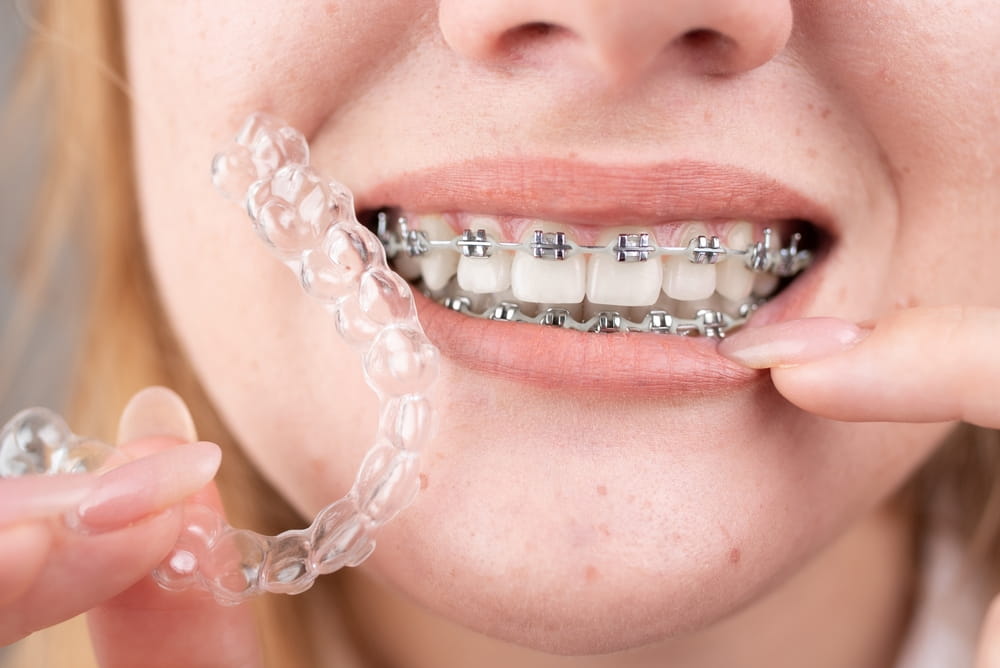

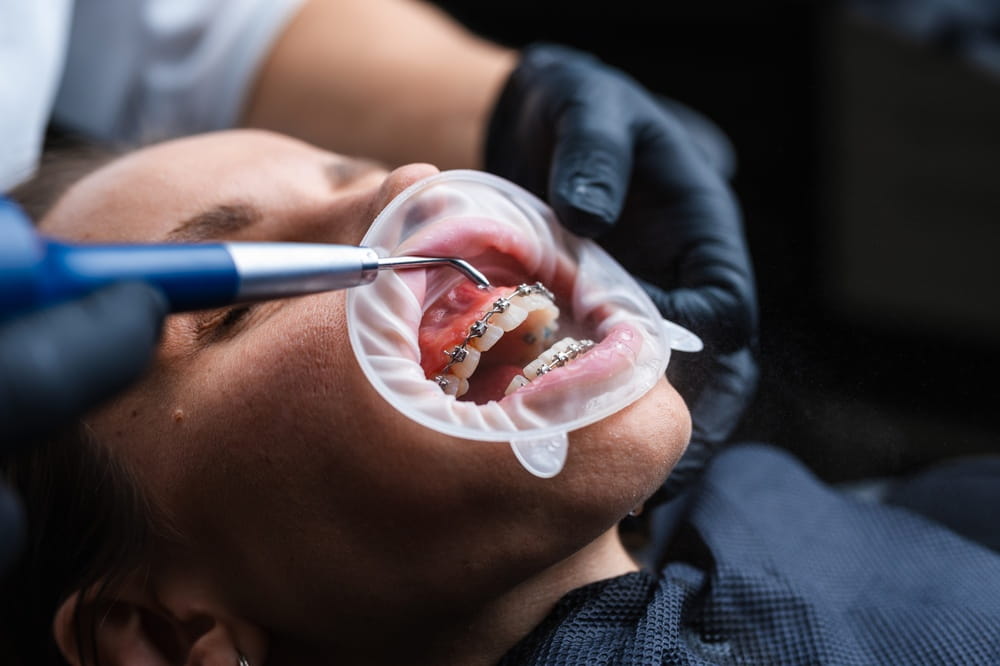
Dry mouth, also known as xerostomia, is a common oral health concern that can occur during orthodontic treatment. While braces and aligners do not directly cause dry mouth in every patient, certain changes during treatment can affect saliva flow, hydration habits, and overall comfort. Saliva plays an important role in protecting teeth by washing away food particles, neutralizing acids, and helping maintain a healthy oral environment.
For patients in Lawrenceville, Morrow, Stone Mountain, and Loganville, GA, Davis Family Orthodontics and Dr. Laura Davis understand that maintaining comfort and good oral hygiene is an important part of the orthodontic experience. Whether patients are using traditional braces or clear aligners such as Types Of Braces or Invisalign Treatment, managing dry mouth can help support healthier teeth and gums throughout treatment.
Orthodontic appliances can sometimes contribute to a feeling of dryness because they may change how the mouth feels or encourage patients to adjust their breathing and eating habits. Some people may also experience dry mouth from medications, lifestyle factors, stress, or not drinking enough water. Understanding the possible causes can make it easier to find effective solutions.
Why Saliva Matters During Orthodontic Treatment
Saliva is essential for maintaining oral health, especially when wearing orthodontic appliances. It helps protect tooth enamel by reducing harmful acids produced by bacteria and provides natural cleansing that removes debris from the mouth. When saliva production decreases, bacteria and plaque may build up more easily, increasing the risk of discomfort, bad breath, and tooth decay.
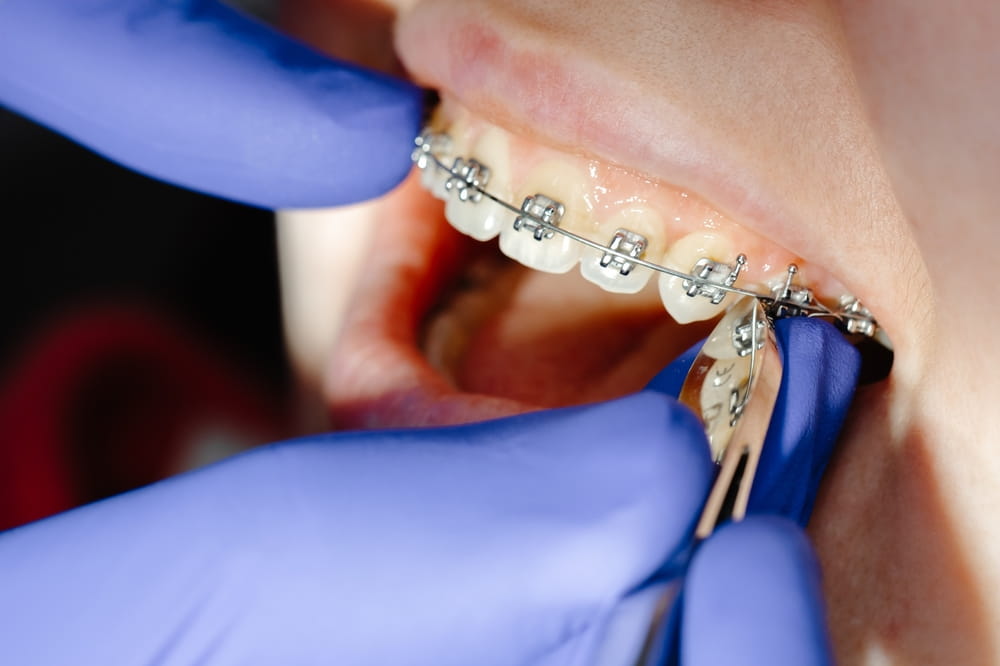
Patients with braces may notice that brackets and wires create additional areas where food particles can collect. When combined with reduced saliva flow, these areas may require extra attention during daily cleaning. A consistent oral hygiene routine can help minimize the effects of dry mouth and keep teeth healthier throughout treatment.
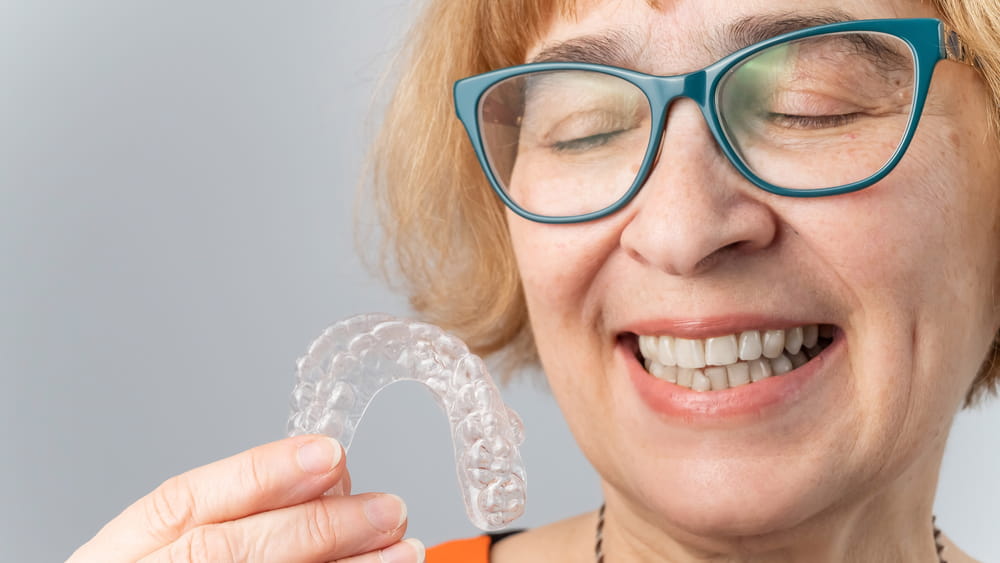
Clear aligner users may also experience dryness if aligners reduce natural saliva movement around the teeth. While aligners are designed to fit comfortably, wearing them for extended periods means patients need to pay attention to hydration and cleaning habits. Options such as Invisalign Treatment for Teens may require younger patients to develop consistent habits that support both aligner care and oral health.
Simple Ways to Relieve Dry Mouth Symptoms
Managing dry mouth often begins with simple daily adjustments. Drinking enough water throughout the day is one of the easiest ways to support saliva production and keep the mouth comfortable. Keeping water nearby can encourage regular hydration, especially during busy schedules, school, work, or physical activity.
Other helpful strategies include:
- Chewing sugar-free gum: Sugar-free gum can stimulate saliva production and provide temporary relief from dryness.
- Using alcohol-free mouthwash: Some mouth rinses contain alcohol, which may increase dryness. Alcohol-free options can be gentler for people experiencing dry mouth.
- Maintaining regular brushing and flossing: Good oral hygiene helps reduce plaque buildup and supports a healthier mouth environment.
- Avoiding excessive caffeine and sugary drinks: These beverages may contribute to dryness or increase the risk of cavities.
- Using oral moisturizers: Products designed specifically for dry mouth can provide additional comfort when needed.
Patients should also pay attention to habits that may worsen dryness, such as breathing through the mouth frequently or allowing long periods to pass without drinking water. Small changes throughout the day can make a noticeable difference in comfort.
Creating an Effective Oral Care Routine During Treatment
A strong oral care routine is especially important when managing dry mouth with braces or aligners. Brushing twice daily with fluoride toothpaste helps remove plaque and protect enamel, while flossing or using specialized cleaning tools can help reach areas that brushing alone may miss. Patients with braces may benefit from tools designed for cleaning around brackets and wires, while aligner users should keep both their teeth and trays clean.
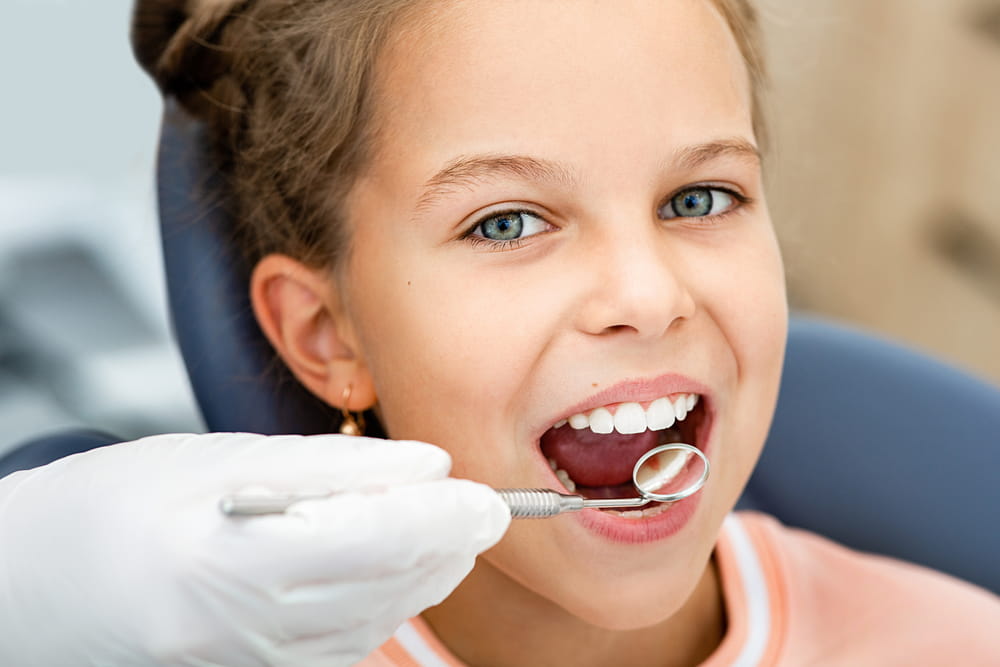
Regular dental visits are also important because dry mouth can increase the likelihood of certain oral health concerns. Professional cleanings and checkups allow potential issues to be identified early and provide an opportunity to discuss ongoing discomfort or changes in oral health.
Patients of different ages may experience dry mouth challenges differently. Families considering orthodontic options such as Orthodontics For Children, Orthodontics For Teens, or Orthodontics For Adults can benefit from learning how proper hydration and oral care habits support treatment success.
Supporting Comfort Throughout the Orthodontic Journey
Managing dry mouth during orthodontic treatment is about creating habits that protect comfort, hygiene, and overall oral health. Staying hydrated, choosing appropriate oral care products, and maintaining consistent cleaning routines can help patients feel more comfortable while supporting their orthodontic progress.
For individuals and families in Lawrenceville, Morrow, Stone Mountain, and Loganville, GA, Davis Family Orthodontics encourages patients to understand the connection between everyday habits and a healthy smile. With the right strategies and attention to oral care, dry mouth can be managed effectively during orthodontic treatment, helping patients stay comfortable while working toward their desired results.
Resources
Turner, M. D., & Ship, J. A. (2007). Dry mouth and its effects on the oral health of older adults. Journal of the American Dental Association.
Villa, A., Connell, C. L., & Abati, S. (2015). Diagnosis and management of xerostomia and hyposalivation. Therapeutics and Clinical Risk Management.
Mese, H., & Matsuo, R. (2007). Salivary secretion, taste and hyposalivation. Journal of Medical Investigation.