
Orthodontic treatment is based on a carefully controlled biological process that allows teeth to shift into healthier, more functional positions. Many people know that braces and aligners straighten teeth, but the science behind how this happens involves the interaction between gentle pressure, bone remodeling, and the body’s natural ability to adapt. For patients in Lawrenceville, Morrow, Stone Mountain, and Loganville, GA, Davis Family Orthodontics and Dr. Laura Davis recognize the importance of helping patients understand the process behind creating a balanced and confident smile.
Whether someone is considering traditional braces or modern clear aligner options like Types Of Braces or Invisalign Treatment, the foundation of tooth movement remains the same. Orthodontic appliances apply consistent pressure to specific areas of the teeth, encouraging them to gradually move through the jawbone. This process takes time because the surrounding bone and tissues must adjust as the teeth change position.
Teeth are not permanently fixed inside the jaw. They are held in place by a network of tissues called the periodontal ligament, which connects the tooth roots to the surrounding bone. When orthodontic pressure is applied, the ligament responds by allowing changes to occur around the tooth. This biological response is what makes orthodontic movement possible.
The Role of Bone Remodeling in Orthodontic Treatment
Bone remodeling is one of the most important parts of how teeth move. When pressure is placed on a tooth, the bone on one side of the tooth root begins to break down through a process called resorption. At the same time, new bone forms on the opposite side through a process called deposition. This gradual cycle allows the tooth to move while maintaining support within the jaw.
The body’s ability to remodel bone is why orthodontic treatment must happen slowly and carefully. Moving teeth too quickly can place unnecessary stress on the surrounding tissues and may affect the health of the teeth and gums. Orthodontists create treatment plans that use controlled forces to guide teeth safely into their ideal positions.
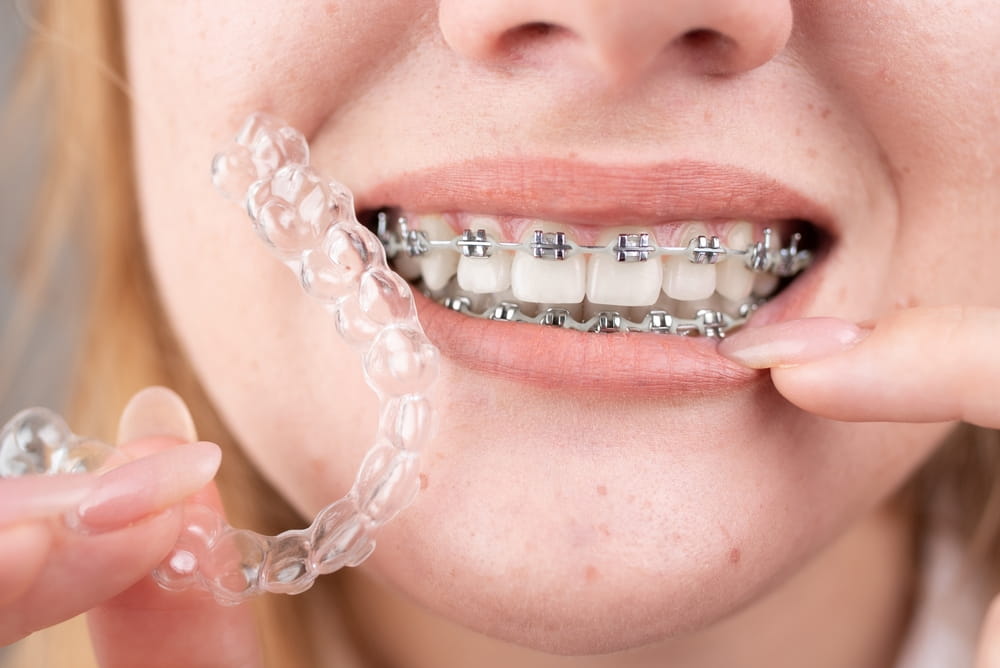
Different orthodontic appliances use different methods to apply these forces. Traditional braces use brackets, wires, and elastic components to guide movement, while clear aligners use a series of customized trays that apply gentle pressure over time. Options such as Invisalign Treatment for Teens are designed around the same scientific principles while offering a removable approach to orthodontic correction.
How Braces and Aligners Guide Teeth Into Position
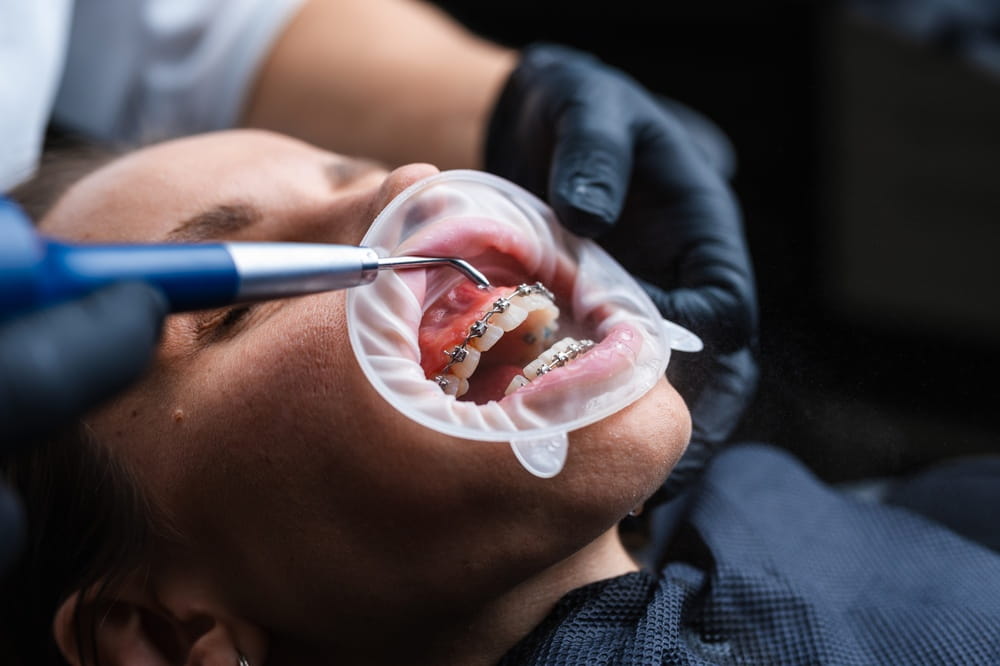
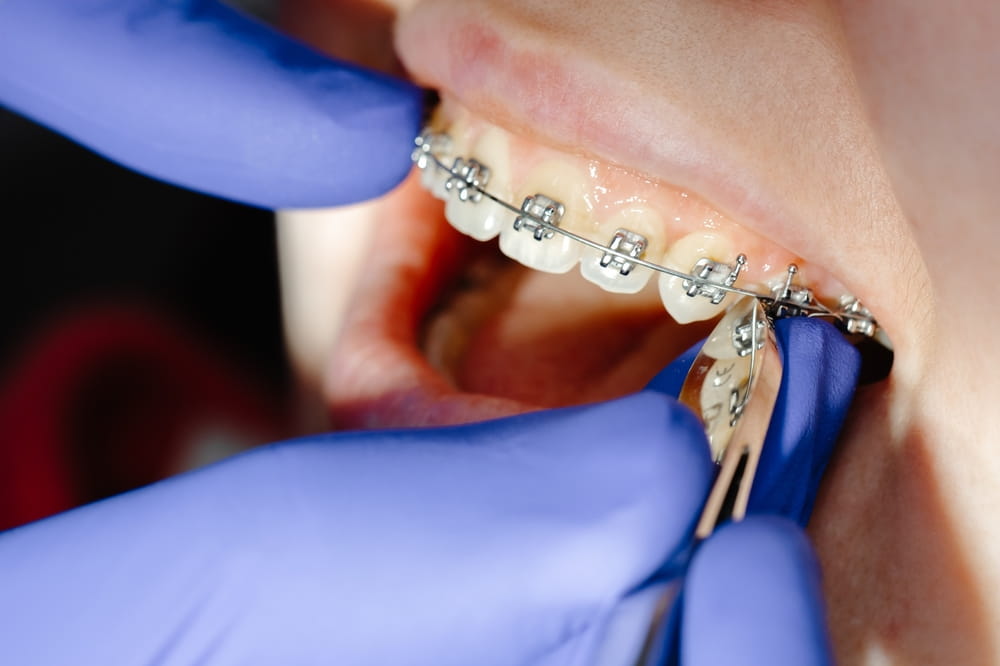
Braces work by using brackets attached to the teeth and wires that create a steady force system. Orthodontic wires are adjusted throughout treatment to gradually encourage teeth to rotate, shift, or align properly. Small changes are made over time, allowing the teeth and surrounding structures to adapt comfortably.
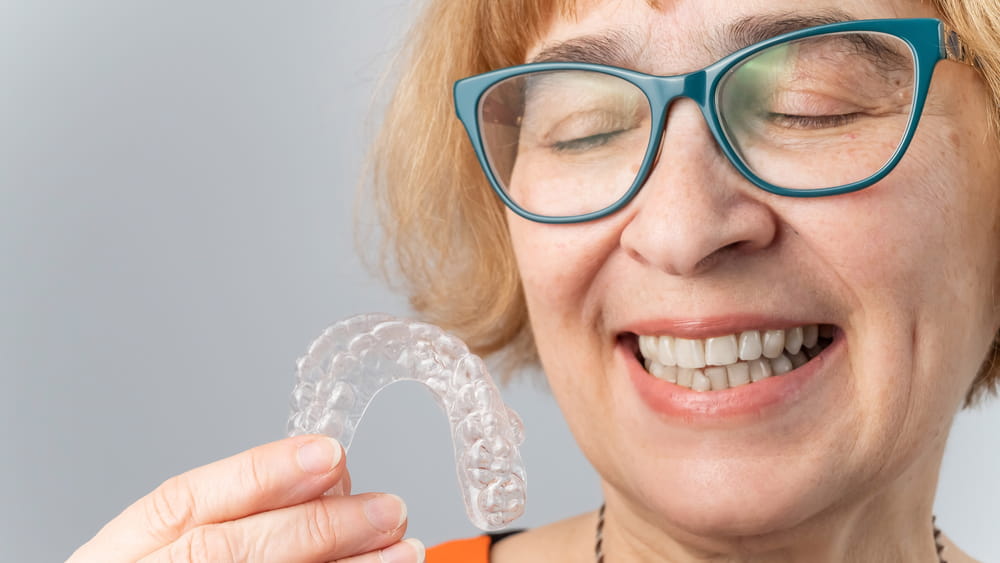
Clear aligners follow a similar concept but use a series of removable trays. Each aligner is designed to make small adjustments from the previous position, slowly guiding teeth toward their planned alignment. Patients typically move through multiple sets of aligners, with each one contributing to the overall movement process.
The type of movement needed depends on each person’s unique dental situation. Some teeth may need to move forward or backward, while others may require rotation or vertical adjustments. Orthodontic treatment considers factors such as tooth position, bite alignment, jaw relationship, and overall oral health to create a balanced result.
Factors That Influence How Quickly Teeth Move
The length of orthodontic treatment varies because every smile responds differently. Several factors can influence the speed and effectiveness of tooth movement, including age, genetics, bone density, oral hygiene habits, and the complexity of the alignment concerns. Younger patients may experience certain types of movement differently because their jaws are still developing, while adults may require more time for some adjustments.
Maintaining good oral hygiene is another important factor during orthodontic treatment. Healthy gums and teeth provide a strong foundation for movement, while poor oral care can create complications that may slow progress. Patients of all ages, including those exploring Orthodontics For Children, Orthodontics For Teens, or Orthodontics For Adults, benefit from consistent brushing, flossing, and regular dental visits.
Following orthodontic instructions also plays an important role. Wearing aligners for the recommended amount of time, avoiding foods that can damage braces, and attending scheduled appointments all help keep treatment moving according to plan. Small daily choices can have a significant impact on the overall orthodontic experience.
The Science Behind a Healthier Smile
Orthodontics combines biology, engineering, and advanced technology to create predictable changes in tooth alignment and bite function. Through carefully planned pressure and the body’s natural remodeling process, teeth can move into positions that improve both appearance and function.
For patients in Lawrenceville, Morrow, Stone Mountain, and Loganville, GA, Davis Family Orthodontics provides educational support to help individuals better understand the science behind orthodontic care. Knowing how teeth move can make the treatment process feel more predictable and help patients appreciate the gradual changes that lead to a healthier, more confident smile.
Resources
Proffit, W. R., Fields, H. W., & Larson, B. E. (2018). Contemporary Orthodontics. Elsevier.
Krishnan, V., & Davidovitch, Z. (2006). Cellular, molecular, and tissue-level reactions to orthodontic force. American Journal of Orthodontics and Dentofacial Orthopedics.
Meikle, M. C. (2006). The tissue, cellular, and molecular regulation of orthodontic tooth movement. European Journal of Orthodontics.